Arms
Restraints or bindings applied to the arms, limiting movement and enhancing submission. Short Explanation: "Receiving" means your arms are restrained, while "Giving" means you are the one applying the restraints.
Read the full Yes/No/Maybe list guide or browse all activities.
Interested in exploring Arms with your partner?
Start Your ChecklistArm restraints represent one of the most accessible and popular entry points into the world of bondage play. Whether you're exploring power dynamics for the first time or deepening an established practice, the simple act of limiting arm movement creates a profound shift in vulnerability, trust, and sensation. Unlike more complex bondage techniques, arm restraints can be as simple as a soft scarf around the wrists or as sophisticated as custom leather cuffs with multiple attachment points. This versatility makes arm bondage an ideal starting place for couples curious about restraint play, while still offering depth and variety for more experienced practitioners. The psychology behind arm restraints is fascinating: our arms are our primary tools for independence and self-protection, so voluntarily surrendering their use—or taking control of a partner's arms—creates an immediate power exchange that can be both exhilarating and deeply intimate. For the person being restrained, the experience often heightens other senses and creates a meditative state of surrender. For the person applying the restraints, it offers an opportunity to guide the experience and explore a dominant role. What makes arm restraints particularly appealing is their scalability—you can experiment in short sessions of just a few minutes, or incorporate them into longer scenes. This guide will walk you through everything you need to know to explore arm restraints safely, consensually, and enjoyably, whether you're the one being restrained or the one doing the restraining.
How Arm Restraints Work
At its core, arm bondage involves restricting the movement of one or both arms to create a sense of physical limitation and psychological surrender. The effectiveness of arm restraints doesn't come solely from the physical restriction—though that certainly plays a role—but from the mental and emotional shift that occurs when someone voluntarily gives up control of their limbs. When arms are restrained, the restrained partner becomes dependent on their partner for even simple tasks, creating an intimate dynamic of care and control. The person applying the restraints takes on responsibility not just for the scene, but for their partner's comfort and safety throughout the experience. Physiologically, arm restraints work by applying gentle pressure around the wrists, forearms, or upper arms, using materials that distribute force evenly to avoid injury. The goal is never to cause pain through the restraint itself (unless that's specifically negotiated as part of the scene), but rather to create secure, comfortable limitation of movement. Different restraint positions create different experiences: wrists bound in front allows the restrained person to see their hands and feel more in control, while wrists bound behind the back creates a more vulnerable position with less visual feedback. The material and method used also dramatically affects the experience—soft fabric restraints feel gentle and sensual, leather cuffs communicate a more serious commitment to the scene, and rope bondage adds an element of artistry and complexity.
Common Positions
The position in which arms are restrained significantly impacts both the physical experience and the psychological dynamic. Wrists together in front is the most beginner-friendly position, allowing the restrained person to see their hands, maintain better balance, and feel less vulnerable while still experiencing the thrill of restraint. This position is ideal for first-time exploration and can be done sitting, standing, or lying down. Wrists behind the back creates a more submissive posture and limits movement more dramatically, but requires extra attention to shoulder flexibility and comfort—not everyone can comfortably maintain this position for extended periods. Overhead restraints, where wrists are secured above the head to a bedpost or other anchor point, creates a beautifully exposed and vulnerable position that's popular for sensory play, but requires careful attention to shoulder strain and arm circulation. Spread positions, where arms are secured apart (such as to opposite bedposts), prevent the restrained person from protecting their body and create maximum vulnerability and exposure. Some practitioners enjoy arm-to-torso restraints, where the arms are bound along the sides of the body or across the chest, creating a mummy-like restriction that emphasizes helplessness. Each position offers unique benefits and challenges, and it's worth experimenting with several to discover what feels most comfortable and exciting for both partners.
Types of Restraints
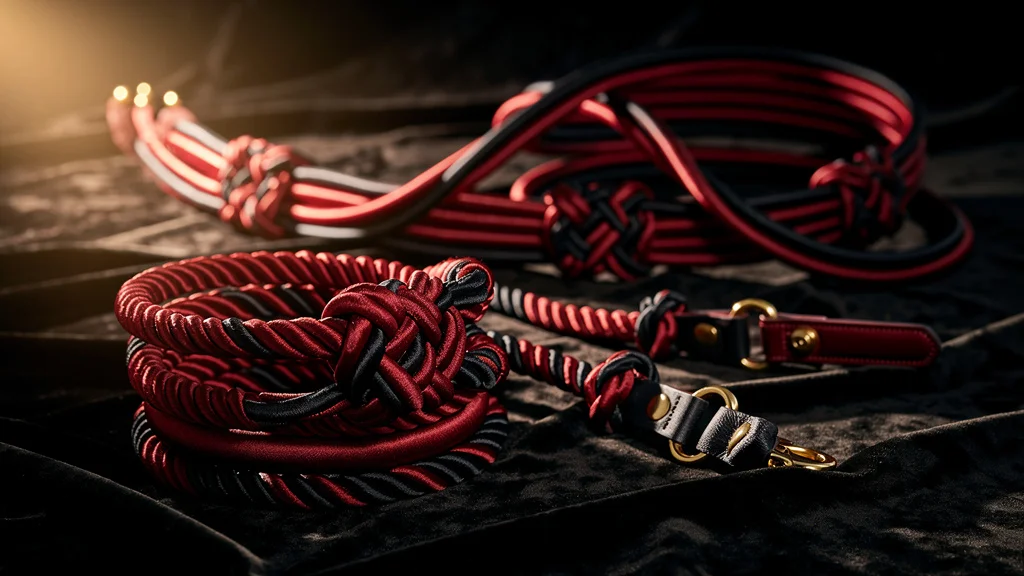
Padded cuffs—whether made of leather, neoprene, or fabric—are the most popular choice for arm restraints, especially among beginners. They distribute pressure evenly across the wrist, include quick-release mechanisms for safety, and are specifically designed for bondage use. Quality cuffs include D-rings or O-rings for attaching to other restraints or anchor points. Rope bondage offers incredible versatility and can be adjusted to any body size, but requires learning proper techniques to avoid nerve damage or circulation problems. Natural fiber ropes like jute or hemp are preferred over synthetic materials for their tactile qualities and ability to hold knots. Silk scarves or neckties provide a soft, sensual introduction to restraints and are readily available in most homes, though they can tighten unexpectedly and should be monitored carefully. They work well for light restraint but shouldn't be relied on for more intense scenes. Bondage tape sticks only to itself (not skin or hair) and offers quick application and removal, though it provides less security than other methods. Under-bed restraint systems with adjustable straps offer convenience and are easily hidden when not in use. What's crucial to avoid: metal handcuffs designed for law enforcement are generally not recommended for recreational bondage as they can tighten unexpectedly, lack the width to distribute pressure safely, and can cause serious nerve or tissue damage. Each restraint type has its place—beginners should start with purpose-made padded cuffs or soft fabric restraints before progressing to rope or more complex systems.
Safety Considerations for Arm Restraints
Physical Safety
- The two-finger rule: You should always be able to slip two fingers between the restraint and the skin. If you can't, it's too tight and risks cutting off circulation or causing nerve damage.
- Nerve protection: The radial nerve that runs along the outside of the wrist and the ulnar nerve near the inner wrist are particularly vulnerable to compression. Avoid restraints that are narrow or that concentrate pressure on small areas—width distributes force more safely.
- Circulation checks: Every 10-15 minutes, check that hands remain warm, pink, and that the restrained person can wiggle their fingers. Cold, pale, or bluish hands indicate compromised circulation and require immediate release.
- Shoulder position: Arms behind the back or overhead positions can strain shoulders, especially if held for extended periods. Check in frequently about shoulder comfort and have a plan to quickly change positions if needed.
- Range of motion: Never force arms into positions that the person cannot comfortably reach on their own. Respect individual flexibility limitations—some people can't comfortably clasp hands behind their back, and that's completely normal.
- Quick-release mechanism: Always have safety scissors or a quick-release method immediately accessible. Don't tie restraints with knots you can't quickly undo, especially when learning.
- Duration limits: Start with short sessions (5-10 minutes) and gradually increase as you both become more comfortable and experienced. Even with perfect technique, prolonged restraint can cause problems.
Emotional Safety
The psychological impact of arm restraints can be profound and unexpected. For many people, losing the use of their arms triggers deep vulnerability—arms are our primary means of self-protection and independence. This can bring up intense emotions ranging from euphoria and arousal to anxiety or even panic. Establish clear, easy-to-use safewords before beginning (the traffic light system—red for stop, yellow for check-in, green for continue—works well). Discuss boundaries in advance: Is struggling against the restraints okay? What about begging for release? How does each partner feel about being teased or left alone while restrained? Regular verbal check-ins help maintain emotional connection, especially when someone is trying restraint for the first time. The person applying restraints should watch for signs of emotional distress beyond physical discomfort—sudden quietness, tears, or dissociation may indicate the need for a break or scene ending. Aftercare is essential: after releasing restraints, take time to reconnect, discuss what felt good and what didn't, and provide physical comfort like gentle massage to areas that were restrained. Some people experience a "drop" after intense bondage scenes as endorphins subside—having a plan for aftercare helps both partners process the experience safely.
Red Flags to Watch For
- Numbness or tingling: This indicates nerve compression and requires immediate release of the restraints. Some tingling may persist for a few minutes after release, but if it continues beyond 15-20 minutes, seek medical attention.
- Cold or discolored hands: Hands should remain warm and pink. Cold, pale, or bluish coloring means circulation is compromised—release restraints immediately and massage gently to restore blood flow.
- Loss of grip strength: If the restrained person cannot squeeze your hand with normal strength, the restraints may be affecting nerve or muscle function.
- Intense or increasing pain: Some positions may cause mild discomfort, but sharp, intense, or worsening pain is never normal and indicates potential injury.
- Swelling: Visible puffiness or swelling in the hands or wrists indicates fluid accumulation from impaired circulation.
- Inability to move fingers: The restrained person should always be able to wiggle all fingers—if they can't, nerve function may be compromised.
- Panic or extreme distress: Some anxiety is normal when trying something new, but uncontrollable panic, hyperventilation, or dissociation requires immediate scene stopping and grounding.
Beginner's Guide to Arm Restraints
If you're new to arm restraints, the key is to start simple, communicate abundantly, and build confidence gradually. Begin your exploration with hands in front using soft, wide restraints like padded cuffs or folded scarves. This position feels least vulnerable and allows the restrained person to see their hands, which provides reassurance and helps prevent panic. Choose a comfortable setting where you won't be interrupted—knowing you have privacy and time reduces performance pressure. Before applying any restraints, discuss the plan: How long will the restraints stay on? What activities will happen during that time? What are the safewords? Having these conversations beforehand reduces mid-scene anxiety. When applying the restraints for the first time, move slowly and check in frequently: "How does this feel?" "Is this too tight?" "Can you wiggle your fingers for me?" These check-ins don't ruin the mood—they build trust, which actually deepens the scene's intensity. Start with very short durations—even 5 minutes can feel surprisingly long when you're restrained for the first time. Use this time to experiment with sensation: the person applying restraints might try gentle touch, massage, or simply sitting close and maintaining eye contact. The restrained person should practice communicating about their experience: what sensations they notice, what emotions come up, whether they want to continue. After releasing the restraints, take time for aftercare: gentle massage of the wrists and arms, warm embrace, and discussion of what the experience was like. As you both become comfortable with basic wrist restraints in front, you can gradually explore other positions, longer durations, or different restraint materials. Remember that progression isn't a requirement—many couples find tremendous enjoyment in simple wrist restraints and never feel the need to advance to more complex bondage. There's no "correct" level of intensity; the right level is whatever feels exciting and safe for both partners. Consider keeping a journal of your bondage experiences, noting what worked well, what you'd like to try differently next time, and how you both felt afterward—this creates a roadmap for continued exploration.
Discussing Arm Restraints with Your Partner
Bringing up the topic of arm restraints—or any form of bondage—can feel intimidating, but opening this conversation is often easier than anticipated. Choose a relaxed, non-sexual moment for the discussion, perhaps over coffee or during a quiet evening together, when you're both feeling connected but not pressured. You might start by sharing an article like this one: "I came across this interesting article about couples exploring bondage—have you ever thought about trying something like this?" This indirect approach lets you gauge interest without putting your partner on the spot. Alternatively, be direct but casual: "I've been curious about trying some light restraint play together. Would you be interested in exploring that?" Frame it as a shared adventure rather than a demand or expectation. If your partner seems hesitant, don't push—give them time to think about it and offer to discuss any concerns. Many people's initial hesitation comes from misconceptions about bondage being extreme or dangerous, so providing educational resources can help. Discuss what specifically intrigues each of you: Is it the power exchange? The heightened sensation? The aesthetic appeal? Understanding each other's "why" helps you create experiences that satisfy both partners' interests. Talk about boundaries explicitly: Are there positions that feel too vulnerable? Time limits? Activities that should or shouldn't happen during restraint? Establishing these boundaries beforehand creates safety and paradoxically allows for deeper surrender during the scene itself. Consider starting your practical exploration together by shopping for restraints—browsing options online or in a boutique can be a fun, low-pressure way to build anticipation and discuss what appeals to each of you. Remember that consent is ongoing: just because someone agreed to try restraints once doesn't mean they've agreed to do it again, or to escalate to more intense forms. Each session should include fresh consent and check-ins.
Frequently Asked Questions
What's the safest way to restrain arms?
The safest approach uses purpose-made padded cuffs that are at least 1.5-2 inches wide to distribute pressure evenly across the wrist. Apply the restraints using the two-finger rule: you should always be able to slip two fingers between the cuff and the skin. Begin with wrists positioned in front of the body, which is the most comfortable and least vulnerable position for beginners. Ensure you have quick-release mechanisms or safety scissors immediately available. Check circulation every 10-15 minutes by verifying that hands remain warm, pink, and that the restrained person can wiggle their fingers. Avoid narrow restraints like rope, zip ties, or metal handcuffs until you've developed experience with proper technique. Start with short sessions of 10-15 minutes and gradually increase duration as you both become more comfortable and knowledgeable about safety signs.
Can I use regular handcuffs?
Metal handcuffs designed for law enforcement are generally not recommended for recreational bondage, especially for beginners. Unlike purpose-made bondage restraints, police handcuffs are narrow and concentrate pressure on small areas of the wrist, significantly increasing the risk of nerve damage, circulation problems, and tissue injury. They can also tighten unexpectedly if pulled against, creating dangerous situations. Additionally, standard handcuffs lack the padding that distributes force safely and comfortably. If you're drawn to the aesthetic of metal restraints, look for bondage-specific cuffs that include padding, width, and safety releases. These provide the look and sound you might want without the injury risks of actual law enforcement equipment. Save traditional handcuffs for fantasy rather than physical implementation.
How long can arms stay restrained?
The safe duration for arm restraints varies considerably depending on the position, the type of restraint used, and individual physiology. As a general guideline, beginners should start with sessions of 10-15 minutes maximum. Wrists restrained in front with proper padded cuffs can typically be safely maintained for 20-30 minutes with regular circulation checks. More challenging positions like arms behind the back or overhead may need to be limited to shorter periods—perhaps 10-15 minutes—due to increased strain on shoulders and potential circulation impact. The key is not to set a specific time limit but to perform regular check-ins: every 10-15 minutes, verify that hands are warm and pink, that the person can wiggle fingers, and that there's no numbness or pain. Some experienced practitioners engage in longer bondage sessions, but they've developed the knowledge to recognize warning signs early and make frequent position adjustments. Never "set and forget" someone in restraints—active monitoring is essential regardless of duration.
What if my partner's hands go cold?
Cold hands indicate that circulation is being compromised, and this requires immediate action. Release the restraints right away—don't wait to "finish the scene" or check if it gets worse. Once released, help restore circulation by gently massaging the arms and hands, moving from the shoulders down toward the fingertips to encourage blood flow. Have your partner slowly open and close their hands and rotate their wrists gently. Hands should begin to warm up within a few minutes after release. If coldness, numbness, or discoloration persists beyond 15-20 minutes after removing restraints, seek medical attention to rule out nerve or circulatory injury. After a circulation issue occurs, analyze what went wrong: Were the restraints too tight? Was the position maintained too long? Was there an underlying circulation issue you weren't aware of? Use this information to adjust your approach for future sessions. Some people naturally have cooler extremities due to circulatory variations—for these individuals, extra caution and more frequent checks are necessary when exploring arm restraints.
🛒 Recommended Gear
Note: Links below are affiliate links. We may earn a commission at no extra cost to you.
Discover What You Both Desire
Create your personal checklist and compare with your partner to find activities you'll both enjoy exploring together.
Get Started FreeNo credit card required