Arms Restraint
Techniques for restraining arms during bondage play.
Read the full Yes/No/Maybe list guide or browse all activities.
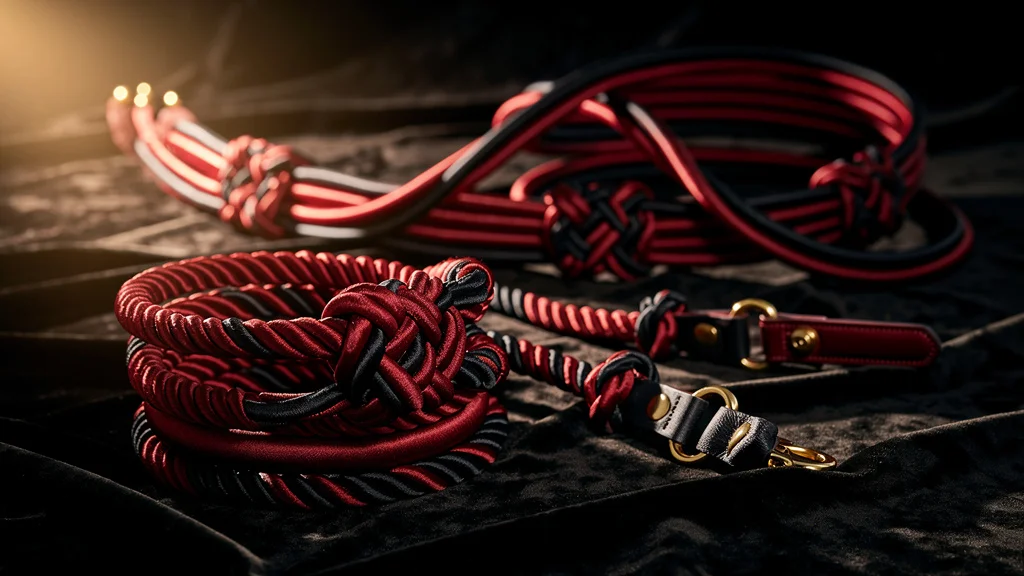
Interested in exploring Arms Restraint with your partner?
Start Your ChecklistArms restraint represents one of the foundational techniques in bondage practice, focusing specifically on limiting arm movement to create feelings of vulnerability, surrender, and heightened sensation. Whether using rope, cuffs, or specialized restraint equipment, arm bondage allows partners to explore power dynamics while maintaining clear boundaries and safety protocols.
This comprehensive guide covers everything from basic arm positioning to advanced restraint techniques. You'll learn about different methods for safely restricting arm movement, understanding nerve pathways to avoid injury, and how to communicate effectively with your partner throughout the experience. We'll also explore the psychological aspects of arm restraint and how it can deepen trust and intimacy between partners.
Arm restraint can range from simple wrist binding to elaborate arm sleeves and behind-the-back positions. The key to enjoyable arm bondage lies in understanding anatomy, maintaining proper circulation, and building skills progressively. Whether you're completely new to bondage or looking to refine your technique, this guide provides the knowledge you need for safe, consensual exploration.
How Arms Restraint Works
Arms restraint involves limiting the movement of one or both arms using various methods and materials. The practice can range from simple positions that are easy to escape to more restrictive configurations that require assistance to release. Understanding the mechanics and safety considerations is essential for enjoyable experiences.
Techniques and Variations
Front Position: Arms restrained in front of the body, either with wrists together or arms crossed. This is often the most comfortable for beginners and allows for easier monitoring of circulation.
Behind-the-Back: Wrists bound behind the back, sometimes with elbows drawn together. This creates more vulnerability but requires careful attention to shoulder comfort and circulation.
Overhead: Arms raised above the head and secured to a fixed point. Provides dramatic visual impact but has strict time limits due to circulation concerns.
Box Tie: A classic position where arms are folded behind the back in a square shape. Common in Japanese bondage styles and provides good stability.
Single Arm: Restraining only one arm while leaving the other free, useful for beginners or when combining with other activities.
Equipment and Tools
Rope: Natural fiber ropes like jute or hemp are traditional choices, while cotton and nylon offer softer alternatives for beginners. Rope width of 6-8mm is standard for arm restraints.
Cuffs: Leather, fabric, or padded cuffs with buckles or Velcro provide quick application and release. Look for cuffs with padding to prevent pressure points.
Tape: Bondage tape (self-adhesive, non-sticky to skin) offers versatile arm wrapping without rope skills.
Arm Binders: Specialized sleeves that encase the arms, often made of leather or fabric with lacing or straps.
Always have safety shears within reach for quick release in emergencies. EMT shears with blunt tips are the safest choice for cutting through restraints without risking skin injury.
Safety Considerations
Safe arm restraint requires understanding anatomy, monitoring continuously, and having emergency protocols in place. Taking shortcuts with safety can result in serious injuries including nerve damage.
Physical Safety
Circulation Checks: Monitor fingertip color and temperature every 5-10 minutes. Pink and warm is good; pale, blue, or cold requires immediate release. Have the restrained person wiggle fingers periodically.
Nerve Protection: Avoid placing restraints directly over the inner wrist, elbow crease, or underarm area where major nerves run close to the surface. The radial nerve on the outer forearm and ulnar nerve at the inner elbow are particularly vulnerable.
Time Limits: Start with 15-20 minute sessions maximum. Overhead positions should be limited to 10-15 minutes initially. Extended restraint increases risk of circulation issues and muscle strain.
Two-Finger Rule: You should be able to slide two fingers between the restraint and skin. This ensures adequate circulation while still providing secure restraint.
Emotional Safety
Being restrained can trigger unexpected emotional responses. Establish a clear safeword before beginning—something easy to remember and say. Consider a non-verbal signal (like dropping a ball) for situations where speaking might be difficult.
Check in regularly with your partner, especially if they become quiet. Silence doesn't always mean enjoyment—it could indicate dissociation or distress. Aftercare is essential; have water, blankets, and comfort items ready.
Red Flags
Stop immediately if you notice: numbness or tingling in hands or fingers, skin discoloration (pale, blue, or mottled), cold fingers, inability to move fingers, sharp pain, or your partner using their safeword. After release, if symptoms persist beyond a few minutes, seek medical attention.
Beginner's Guide
Starting with arm restraint should be a gradual process that builds skills and trust over time. Here's how to begin safely:
Start Simple: Begin with loose restraints in front of the body using soft materials like silk scarves or padded cuffs. This allows both partners to become comfortable with the dynamics before progressing.
Practice First: Before restraining your partner, practice tying knots and applying cuffs on yourself or a pillow. Understand how the restraints work before using them on someone else.
Short Sessions: Keep initial sessions under 15 minutes. It's better to have a brief, positive experience than a longer one that becomes uncomfortable.
Communication Script: Establish what you'll say during the scene. "How are your hands feeling?" should be asked every few minutes. Agree on responses: "Green" for good, "Yellow" for check/adjust, "Red" for stop.
Positioning Matters: Have the restrained person sit or lie in a comfortable position. Standing restraint is advanced and should be avoided until you have more experience.
Stay Close: Never leave a restrained person alone. Stay within arm's reach and maintain verbal contact throughout.
Learn Releases: Know how to quickly release every type of restraint you use. Practice quick releases before the scene begins.
Discussing with Your Partner
Open communication is the foundation of safe and enjoyable arm restraint. Before your first session, have an unhurried conversation covering these key areas:
Experience and Comfort: Share your respective experience levels and any concerns. Discuss what excites you about arm restraint and what makes you nervous. This information helps tailor the experience.
Physical Considerations: Disclose any relevant medical conditions—shoulder injuries, carpal tunnel, circulation issues, or previous nerve damage should all be mentioned. These affect which positions and techniques are appropriate.
Boundaries: Clarify what is and isn't on the table. Some people are comfortable with tight restraint; others prefer symbolic restriction. Discuss whether other activities will be combined with the restraint.
Safety Protocols: Agree on safewords, check-in frequency, and emergency procedures. Know where safety shears are kept. Discuss what aftercare will look like.
Debrief Plans: Agree to discuss the experience afterward. What worked? What didn't? This feedback loop helps improve future sessions.
Frequently Asked Questions
How tight should arm restraints be?
You should be able to slide two fingers between the restraint and skin. The restraint should be snug enough to prevent slipping but not so tight that it restricts circulation. Check frequently for numbness or color changes.
What if my hands go numb during arm restraint?
Release the restraints immediately. Numbness indicates circulation restriction or nerve compression. Gently massage the affected areas and allow circulation to return before considering any further restraint.
Is behind-the-back arm restraint safe for beginners?
Behind-the-back positions are more advanced due to shoulder strain and difficulty monitoring circulation. Beginners should start with front positions and progress gradually as they develop skills and body awareness.
How long can arms be safely restrained?
For beginners, limit sessions to 15-20 minutes maximum. Experienced practitioners may extend to 30-45 minutes with regular circulation checks. Overhead positions should always be limited to shorter durations.
What's the safest restraint material for beginners?
Padded cuffs with quick-release buckles or Velcro are ideal for beginners. They're easy to apply, adjust, and remove quickly. Soft fabric restraints or bondage tape are also beginner-friendly options.
🛒 Recommended Gear
Note: Links below are affiliate links. We may earn a commission at no extra cost to you.
Discover What You Both Desire
Create your personal checklist and compare with your partner to find activities you'll both enjoy exploring together.
Get Started FreeNo credit card required