Bondage Restraints
Various tools and techniques used for restraining a partner.
Read the full Yes/No/Maybe list guide or browse all activities.
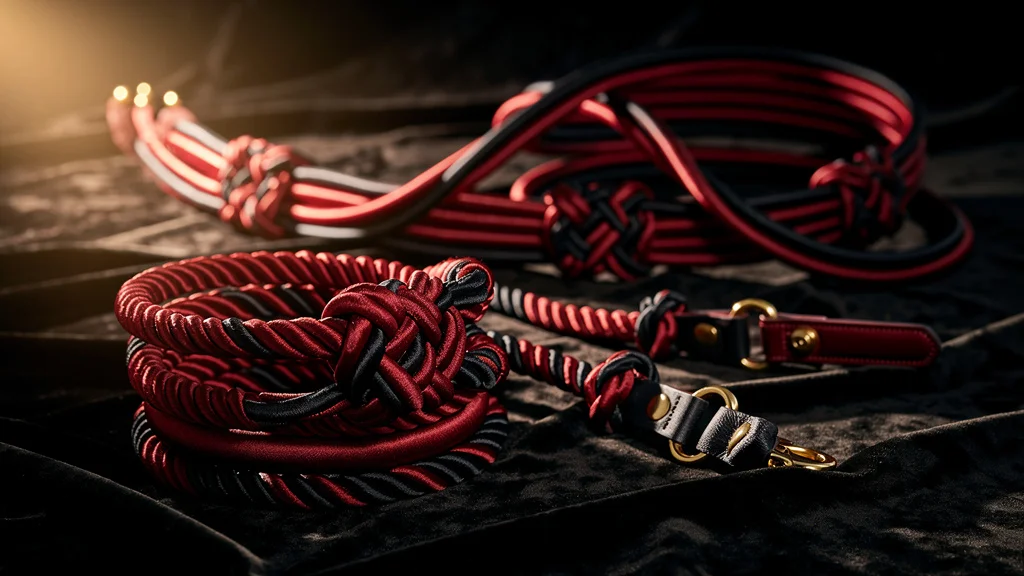
Interested in exploring Bondage Restraints with your partner?
Start Your ChecklistBondage restraints encompass the full spectrum of tools and techniques used to restrict a partner's movement during intimate play. From simple scarves to specialized equipment, understanding your options helps you choose the right restraints for your experience level, preferences, and safety requirements.
This comprehensive guide explores the various types of bondage restraints available, their advantages and limitations, and how to use them safely. You'll learn about material choices, proper application techniques, and how different restraints create different experiences. Whether you're building your first toy collection or expanding an existing one, this resource helps you make informed decisions.
The world of bondage restraints continues to evolve with new designs focusing on comfort, safety, and ease of use. Modern restraints range from beginner-friendly options with quick-release mechanisms to advanced equipment for experienced practitioners. Understanding this landscape empowers you to find restraints that match your needs and grow with your practice.
How Bondage Restraints Work
Bondage restraints work by limiting movement through various mechanisms—binding, enclosure, or attachment to fixed points. The psychological impact often exceeds the physical restriction; even easily escapable restraints can create powerful feelings of vulnerability and surrender.
Techniques and Variations
Cuffs and Shackles: The most common restraint type, available in leather, fabric, metal, or silicone. They attach around wrists, ankles, or thighs and can connect to each other or anchor points.
Rope: Offers maximum versatility for creating custom ties. Different materials (jute, hemp, cotton, nylon) provide different aesthetics and sensations. Requires skill development for safe use.
Bondage Tape: Self-adhesive tape that sticks only to itself, not skin. Excellent for beginners as it creates secure but easily removable restraints.
Spreader Bars: Rigid bars that attach between limbs to hold them apart. Available in various lengths for different positions.
Body Harnesses: Full-body or partial harnesses that provide multiple attachment points and distribute tension across larger areas.
Under-Bed Systems: Straps that slip under the mattress with cuffs at each corner. Provides secure attachment points without permanent installation.
Equipment and Tools
Connectors: Carabiners, snap hooks, and O-rings link restraints together or to anchor points. Quick-release carabiners add safety to any setup.
Padding: Liner material, foam inserts, or fleece covers prevent pressure points and extend comfort during longer scenes.
Anchor Points: Over-door systems, bed posts, or ceiling mounts provide secure attachment locations. Ensure any anchor can support the expected load.
Safety Gear: EMT shears (safety scissors) are essential for quick release. Keep them within reach during every scene.
Storage: Proper storage extends restraint life. Leather needs conditioning, rope should be bundled properly, and metal should be kept dry to prevent rust.
Safety Considerations
Safe restraint use requires understanding both the equipment and the body. Even well-designed restraints can cause injury if misused. Building safety into your practice protects both partners and enables longer, more enjoyable scenes.
Physical Safety
Material Safety: Check restraints before each use for wear, damage, or weakness. Leather should be conditioned and checked for cracking. Rope should be inspected for fraying. Metal components should move smoothly.
Application: Never apply restraints over joints, directly on nerve pathways, or around the neck without specific training. The two-finger rule applies—you should be able to slide two fingers between restraint and skin.
Monitoring: Check circulation every 5-10 minutes. Watch for color changes, temperature differences, or numbness. Have the restrained person wiggle fingers or toes regularly.
Time Limits: Set maximum duration based on position and restraint type. Hanging or weight-bearing positions require shorter limits than lying positions.
Emotional Safety
Restraint triggers vulnerability and can surface unexpected emotions. Establish clear safewords and signals before beginning. "Red" for stop and "Yellow" for pause/check-in are common choices. Non-verbal signals (dropping an object, tapping out) work when speech is impaired.
Stay attuned to your partner's state throughout the scene. Sudden silence, rigid posture, or checked-out expressions may indicate distress even without safeword use.
Red Flags
Stop immediately for: numbness or tingling, skin discoloration, extreme cold in restrained areas, inability to move fingers/toes, sharp pain, safeword use, or any equipment failure. Post-scene, monitor for persistent symptoms and seek medical care if needed.
Beginner's Guide
Starting your bondage restraint journey should be exciting, not overwhelming. Here's how to begin:
Start with Quality Basics: Invest in one good pair of adjustable padded cuffs rather than multiple cheap options. Quality restraints are safer, more comfortable, and last longer.
Learn Before You Buy: Understand what you want to achieve before purchasing. A simple under-bed restraint system serves most beginners well without requiring rope skills or permanent installation.
Prioritize Quick Release: Choose restraints with easy release mechanisms. Velcro, buckles, and snap hooks allow fast removal if needed.
Practice Solo: Apply restraints to yourself first to understand how they feel and work. Try releasing them with limited visibility or mobility.
Start Loose and Short: Begin with restraints loose enough to escape with effort. Keep first sessions under 20 minutes. Build intensity gradually as you gain experience.
One Thing at a Time: Don't combine restraints with other intense activities initially. Learn how restraint feels before adding complexity.
Debrief Thoroughly: Discuss every experience afterward. What felt good? What was uncomfortable? Use this feedback to improve.
Discussing with Your Partner
Successful restraint play starts with thorough communication. Have these conversations before purchasing equipment or beginning scenes:
Interests and Limits: What draws each of you to bondage restraints? What positions or levels of restriction appeal to you? What's definitely off the table? Understanding motivations helps design fulfilling experiences.
Health Factors: Discuss any conditions affecting joint flexibility, circulation, skin sensitivity, or pain tolerance. Share any relevant medical history including previous injuries or surgeries.
Equipment Preferences: Some people love the look and feel of leather; others prefer fabric or rope. Discuss aesthetic and tactile preferences before purchasing.
Safety Agreements: Establish safewords, check-in protocols, and emergency procedures. Agree on where safety shears will be kept. Discuss aftercare needs.
Expectations: Clarify what else might happen during restraint scenes. Will it include sexual activity? Other sensation play? Knowing the full scope prevents surprises.
Frequently Asked Questions
What are the best bondage restraints for beginners?
Padded cuffs with Velcro or quick-release buckles are ideal for beginners. Under-bed restraint systems are also excellent as they require no rope skills and provide secure anchor points. Look for adjustable options that fit various body sizes.
How do I know if restraints are too tight?
You should be able to slide two fingers between the restraint and skin. Check for numbness, tingling, color changes (pale or blue skin), or cold extremities. Ask your partner to wiggle fingers and toes regularly.
Are metal handcuffs safe for bondage?
Police-style metal handcuffs are generally not recommended for bondage. They're difficult to position comfortably, can cause joint strain, and risk nerve damage. If using metal restraints, choose ones designed for bondage with padding and proper sizing.
How do I clean and maintain bondage restraints?
Leather restraints need regular conditioning with leather care products. Fabric restraints can usually be hand washed with mild soap. Metal components should be kept dry and periodically oiled. Store restraints in a cool, dry place away from direct sunlight.
Can bondage restraints be used solo?
Solo bondage carries significant risks and is generally discouraged. If exploring self-bondage, use only quick-release restraints, never restrict breathing, always have a reliable escape method, and tell someone where you are.
🛒 Recommended Gear
Note: Links below are affiliate links. We may earn a commission at no extra cost to you.
Discover What You Both Desire
Create your personal checklist and compare with your partner to find activities you'll both enjoy exploring together.
Get Started FreeNo credit card required