Chest Harness
The ropes wrap around her chest like a second skin — functional, beautiful, unmistakably yours. A chest harness isn't just bondage. It's a visible mark of ownership that she carries with her, even under clothes.
Read the full Yes/No/Maybe list guide or browse all activities.
Interested in exploring Chest Harness with your partner?
Start Your ChecklistA chest harness is a decorative and functional bondage configuration worn around the torso, creating striking visual patterns while providing secure attachment points for further restraint. Whether created with rope, leather, or fabric, chest harnesses combine aesthetic beauty with practical functionality in bondage practice.
This guide explores the world of chest harnesses—from simple decorative ties to elaborate functional systems. You'll learn about different harness styles, the materials used to create them, and how to apply them safely. Whether you're interested in the visual appeal, the sensation of being wrapped, or the bondage functionality, chest harnesses offer rich possibilities.
Chest harnesses have roots in both Western bondage traditions and Japanese Shibari, where they form the foundation for many elaborate ties. The sensation of wearing a chest harness—the distributed pressure, the visual transformation, the constant reminder of bondage—creates a unique experience distinct from simple restraints.
How Chest Harnesses Work
Free: The Complete Kink Checklist
Download our comprehensive checklist with 132 BDSM activities to explore with your partner.
Download Free ChecklistChest harnesses encircle the torso, typically wrapping around the chest, over the shoulders, and around the back. They distribute pressure across broad areas of the body while creating attachment points for arms, legs, or suspension equipment. The visual transformation they create often carries as much significance as their restraint function.
Techniques and Variations
Basic Chest Wrap: Simple horizontal bands around the upper and lower chest, connected by vertical lines. A starting point for beginners.
Karada (Body Net): A full-body diamond pattern that includes the chest. Creates striking geometric visuals across the torso.
Shinju: Japanese rope chest harness specifically designed around the breasts. Multiple variations exist with different visual effects.
Pentagram Harness: Creates a five-pointed star pattern on the chest. Popular in gothic and ceremonial aesthetics.
Box Tie/Takate Kote: Technically an arm bondage position, but creates a distinctive chest harness as part of its structure.
Leather Chest Harness: Pre-made leather straps with buckle closures. Quicker to apply than rope with a different aesthetic.
Equipment and Tools
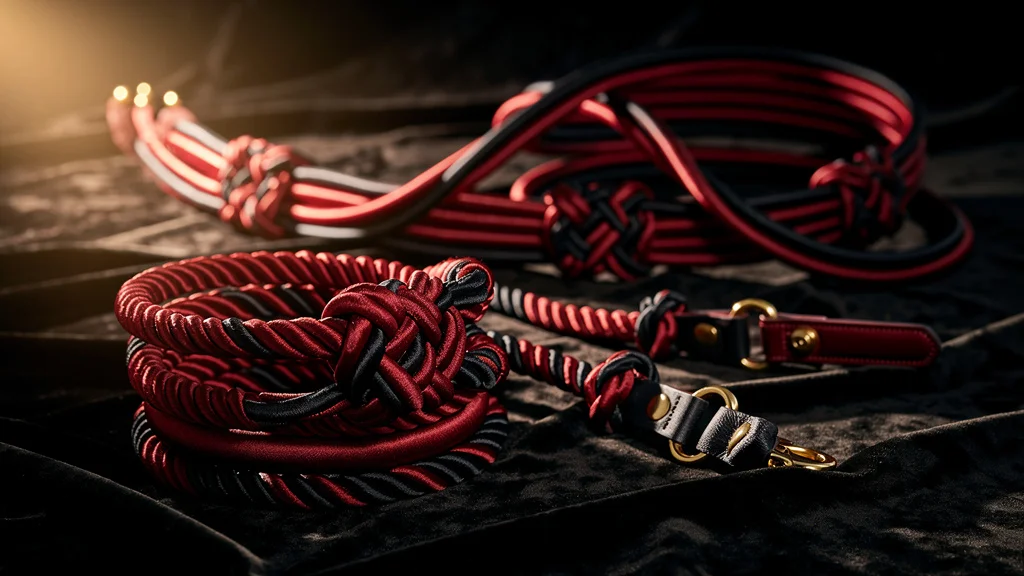
Rope: Natural fiber (jute, hemp) or synthetic (nylon, MFP). 6-8mm diameter is standard. Multiple lengths needed—typically 30-50 feet total for a basic chest harness.
Leather Harnesses: Pre-made adjustable harnesses with buckles and D-rings. Various styles from minimal straps to elaborate designs.
Fabric Straps: Nylon webbing or cotton straps can create harness effects. Often used in under-bed restraint systems.
Connectors: Carabiners and clips attach the harness to other points. Choose appropriate strength ratings for intended use.
Safety Shears: EMT shears allow quick rope cutting for emergency release. Always keep within reach.
Safety Considerations
Chest harnesses require careful attention to anatomy and proper application. The chest area contains vital structures that can be compromised by improper technique.
Physical Safety
Breathing: Never restrict breathing. Harnesses should allow full chest expansion. If the wearer reports difficulty breathing, loosen immediately.
Nerve Protection: Avoid placing bands directly over the armpit area where the brachial plexus nerve bundle is vulnerable. Shoulder straps should sit on the shoulder muscle, not in the neck/shoulder junction.
Circulation: Bands should not be tight enough to leave deep impressions or cause discoloration. Arms should remain freely movable unless intentionally restrained.
Breast Tissue: While some styles intentionally compress or separate breasts, excessive pressure can cause tissue damage. People with breast implants should consult their surgeon before any chest bondage.
Time Limits: Start with 20-30 minute maximum wear time. Extend gradually as you learn how the wearer responds.
Emotional Safety
Wearing a chest harness can feel intensely intimate and vulnerable. The visible transformation of the body, the constant sensation, and the implied control all create psychological impact. Establish safewords before beginning and check in regularly.
Some people experience emotional responses to the body alteration aspect of chest harnesses. Be prepared for unexpected feelings and provide supportive space.
Red Flags
Stop and release for: any difficulty breathing, numbness or tingling in arms or hands, sharp pain, bluish skin color, distress, or safeword use. Chest harness complications can be serious—err on the side of caution.
Beginner's Guide
Starting with chest harnesses requires patience and practice. Here's how to begin safely:
Start with Pre-Made: Leather or fabric harnesses with buckles are easier for beginners than rope. They allow you to experience wearing/applying a harness while developing understanding before tackling rope techniques.
Learn Anatomy First: Understand where nerves and blood vessels run before putting rope near them. Take a class or study anatomy diagrams specifically for chest bondage.
Practice on a Mannequin: If learning rope techniques, practice on a dress form or mannequin first. This builds muscle memory without risking injury.
Simple Patterns First: Begin with basic horizontal chest wraps before attempting complex patterns. Add complexity gradually as skills develop.
Prioritize Fit Over Appearance: A properly fitted simple harness beats a beautiful but unsafe complex one. Function and safety come before aesthetics.
Take Classes: In-person instruction is invaluable for chest bondage. An experienced teacher can correct technique before bad habits form.
Short Sessions: Keep first harness-wearing experiences brief (15-20 minutes). Build duration as you and your partner gain confidence.
Discussing with Your Partner
Chest harness application involves intimate contact and body alteration. Thorough communication ensures positive experiences:
Motivations: What draws each of you to chest harnesses? The aesthetic? The sensation? The bondage function? Understanding goals helps design appropriate experiences.
Body Feelings: Discuss any self-consciousness about chest appearance or being looked at while wearing a harness. The visual transformation can bring up complicated emotions.
Physical Considerations: Discuss breast sensitivity, any implants or surgeries, respiratory conditions, or anxiety around chest constriction.
Style Preferences: Do you prefer rope, leather, fabric? Minimalist or elaborate? Functional or primarily decorative?
Integration: Will the harness be worn alone, with other restraints, or as part of larger scenes? Understanding the context helps with planning.
Photography: If photos are desired, discuss this explicitly before creating the harness. Consent for images is a separate conversation from consent for the bondage itself.
Frequently Asked Questions
Can people of all body types wear chest harnesses?
Yes! Chest harnesses can be adapted for any body type. Different patterns and materials work better for different bodies. The key is proper sizing and adjustment for the individual.
How long does it take to learn rope chest harness techniques?
Basic patterns can be learned in a few hours, but developing safe, beautiful, efficient technique takes months of regular practice. Many practitioners continue learning new variations for years.
Are chest harnesses safe for suspension?
Only specialized chest harnesses designed for suspension are safe for supporting body weight. Regular decorative harnesses should never be used for suspension. Suspension requires extensive additional training.
Will a chest harness leave marks?
Rope harnesses typically leave temporary marks—red lines that fade within hours. Excessive tightness can cause marks lasting days. Leather harnesses usually leave minimal marking.
Can I wear a chest harness under clothing?
Many people enjoy wearing harnesses under clothing as a private sensation. Choose slim-profile designs and test with different outfits to find what works. Some harnesses are specifically designed for under-clothing wear.
Explore Further
Once you've mastered the basics, advance to Bondage - All Day/Multi Day or heighten intensity with Bondage Sensory Deprivation.
🛒 Recommended Gear
Note: Links below are affiliate links. We may earn a commission at no extra cost to you.
Discover What You Both Desire
Create your personal checklist and compare with your partner to find activities you'll both enjoy exploring together.
Get Started FreeNo credit card required