Harnessing - Leather
Leather straps designed for restraint, support, or decorative binding. Short Explanation: "Receiving" means you are restrained with leather harnessing, while "Giving" means you use the straps to bind your partner.
Read the full Yes/No/Maybe list guide or browse all activities.
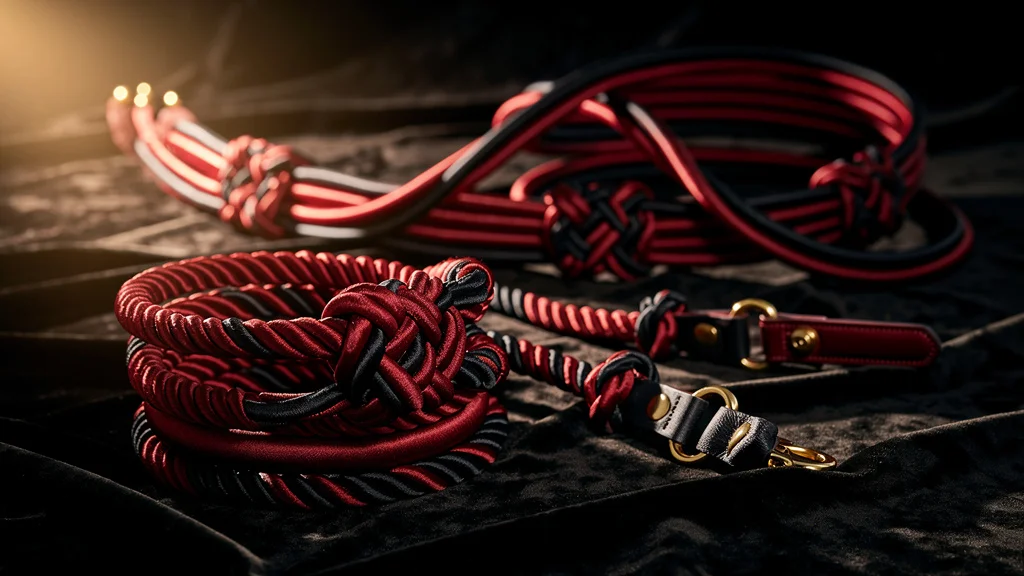
Interested in exploring Harnessing - Leather with your partner?
Start Your ChecklistLeather harnesses occupy a distinctive place in BDSM culture—functional restraint tools, striking aesthetic accessories, and powerful symbols of belonging and identity. Worn around the chest, torso, body, or hips, leather harnesses create visual impact while offering practical attachment points for bondage or restraint. The material itself carries cultural significance, particularly within leather communities where it signals experience, preference, and often community membership.
This guide explores leather harnesses from both functional and cultural perspectives. You'll learn about the various types of harnesses, how to select appropriate pieces for your interests, proper fitting and care, and how to incorporate harnesses into your scenes or personal expression. Whether you're drawn to harnesses for their bondage utility, their aesthetic appeal, or their cultural significance, understanding these versatile pieces enhances your experience with them.
From simple chest harnesses to elaborate full-body configurations, leather harnessing offers options for every interest level and body type. The combination of sensory experience (the weight and smell of leather), visual impact, and functional possibility makes harnesses among the most versatile items in BDSM practice.
How Leather Harnessing Works
Leather harnesses serve multiple functions—restraint, aesthetic enhancement, attachment points, and symbolic expression. Understanding the range of options helps you select appropriate pieces for your interests.
Types of Leather Harnesses
Chest harnesses wrap around the upper torso, typically with straps over the shoulders and around the chest below the pectorals. They frame the chest aesthetically while providing attachment points at the back. These are perhaps the most common entry point for harness exploration.
Body harnesses extend to cover more of the torso, sometimes including hip straps or connections down the body. These distribute attachment points more broadly and create more complete visual coverage.
Hip and thigh harnesses focus on the lower body, providing attachment points around the hips and upper legs. These work well for positioning restraint or suspension elements.
Full-body harnesses combine elements to cover the entire torso and sometimes extend to limbs. These complex pieces offer maximum attachment options but require careful fitting and more investment.
Specialty harnesses serve specific functions—head harnesses (often combined with gags or blindfolds), posture harnesses (that enforce specific body positions), or harnesses designed for integration with other equipment.
Functional Applications
Attachment and control: D-rings, O-rings, and other hardware on harnesses provide points where rope, chains, or clips can attach. This allows the person wearing the harness to be controlled, restrained, or connected to other equipment.
Suspension assist: While harnesses alone typically shouldn't support full suspension weight, they can distribute force and provide additional attachment points during suspension bondage. This requires specifically rated suspension equipment.
Positioning: Harnesses can help maintain specific body positions—arms held behind the back, legs spread, or posture enforced.
Sensory experience: The weight, texture, and smell of leather against skin creates ongoing sensory awareness. Tightness provides constant reminder of restraint even without active bondage.
Safety Considerations
Leather harnesses are generally safe when properly fitted, but attention to certain factors prevents discomfort or injury.
Physical Safety
Proper fit matters enormously. Too tight restricts breathing, circulation, or movement inappropriately. Too loose fails to function and may shift dangerously during use. Adjustable harnesses accommodate body changes; custom-made pieces ensure precise fit.
Circulation checks apply when using harnesses for restraint. Watch for color changes, numbness, or cold in areas beyond the harness. Release tightness immediately if circulation problems appear.
Breathing restriction can occur with chest harnesses that are too tight or positioned incorrectly. The wearer should be able to breathe fully. If breathing becomes labored, adjust or remove the harness.
Load limits deserve attention if using harnesses with suspension or position enforcement. Leather straps have breaking points; hardware has weight ratings. Never exceed rated capacities. For suspension, use specifically designed suspension harnesses with appropriate safety ratings.
Skin reactions occur in some people with certain leathers or dyes. If irritation develops, the harness may need different treatment or the wearer may need different material.
Emotional Safety
Harnesses can create feelings of restraint and vulnerability even without active bondage. For some people this is desired; for others it may trigger anxiety. Discuss reactions before use and check in during wear.
The visual exposure of wearing a harness—highlighting certain body areas—may create body image consciousness. Ensure the wearer feels comfortable and affirmed in how they look.
Red Flags
Watch for harnesses with poor construction, weak stitching, or failing hardware. Reject pieces that can't be adjusted to fit properly. Avoid using harnesses for weight-bearing applications they weren't designed for.
Beginner's Guide to Leather Harnesses
Starting with leather harnesses involves selecting appropriate first pieces, understanding fit, and learning proper care.
Choose your first harness based on interest. If purely aesthetic, a simple chest harness offers visual impact without complexity. If functional bondage interests you, select pieces with appropriate attachment hardware. If cultural connection matters, research the significance of different styles within leather communities.
Invest in quality. Cheap harnesses often use inferior leather, weak hardware, and poor construction. A well-made harness lasts years with proper care; cheap alternatives fail quickly and may break during use. Save for quality rather than settling for inferior pieces.
Prioritize adjustability for early purchases. Bodies change; preferences refine over time. Adjustable harnesses accommodate these changes without requiring new purchases.
Get properly fitted if possible. Leather shops and experienced makers can measure you and recommend appropriate sizing. If buying online, take careful measurements and consult sizing guides. When in doubt, contact sellers with questions before purchasing.
Learn basic care before your first use. Leather requires conditioning to remain supple; neglect leads to cracking and deterioration. Invest in appropriate leather care products and establish maintenance routines.
Start wearing your harness in comfortable settings to understand how it feels before using it in intense scenes. Wear it around the house, adjust straps, and get accustomed to the sensation before adding complexity.
Discussing Leather Harnesses with Your Partner
Conversations about incorporating harnesses can address aesthetic preferences, functional desires, and cultural meaning.
If you're interested in wearing a harness, share what appeals to you. Is it the visual aesthetic? The sensory experience? The functional possibilities? The cultural connection? Understanding your motivation helps partners engage meaningfully.
If you want your partner to wear a harness, approach with curiosity rather than demand. Share what you find appealing while leaving space for their response. Some people love harnesses; others feel self-conscious or uninterested.
Discuss functional intentions clearly. Wearing a harness as an accessory differs from using it as a restraint tool. Alignment on how the harness will be used prevents mismatched expectations.
For partners new to leather culture, some education about the significance of leather within BDSM communities may provide context. Leather carries meaning beyond mere material; understanding this enriches the experience for newcomers.
Frequently Asked Questions
How do I care for a leather harness?
Clean with a damp cloth after use to remove sweat and body oils. Condition periodically with appropriate leather conditioner to maintain suppleness. Store hung or laid flat—not crumpled—in a cool, dry place away from direct sunlight. Address any mold or mildew immediately with appropriate treatment.
Can leather harnesses be used for suspension?
Only harnesses specifically designed and rated for suspension should support body weight. Standard fashion or play harnesses may not be constructed for this purpose. If suspension interests you, invest in purpose-built suspension harnesses with appropriate safety ratings.
What's the difference between cheap and expensive leather harnesses?
Quality differences include: leather grade (genuine vs. bonded vs. vegan alternatives), hardware quality (solid brass or steel vs. plated or cheap metal), construction (riveted and sewn vs. glued), and finishing details. Expensive harnesses last years with proper care; cheap ones often fail quickly.
Are there vegan alternatives to leather harnesses?
Yes. Synthetic leather, PVC, rubber, and other materials offer harness options for those avoiding animal products. These alternatives have different care requirements, sensory properties, and durability profiles than genuine leather.
What body types work with leather harnesses?
All body types can wear leather harnesses. Adjustable pieces accommodate size variation; custom makers can create harnesses for any body. The key is proper fit—a well-fitted harness on any body looks and functions better than a poorly fitted one on any body.
🛒 Recommended Gear
Note: Links below are affiliate links. We may earn a commission at no extra cost to you.
Discover What You Both Desire
Create your personal checklist and compare with your partner to find activities you'll both enjoy exploring together.
Get Started FreeNo credit card required