Hemp Rope
A natural fiber rope known for its strength and durability, often used for bondage. Short Explanation: "Receiving" means you are restrained with hemp rope, while "Giving" means you use it to bind your partner.
Read the full Yes/No/Maybe list guide or browse all activities.
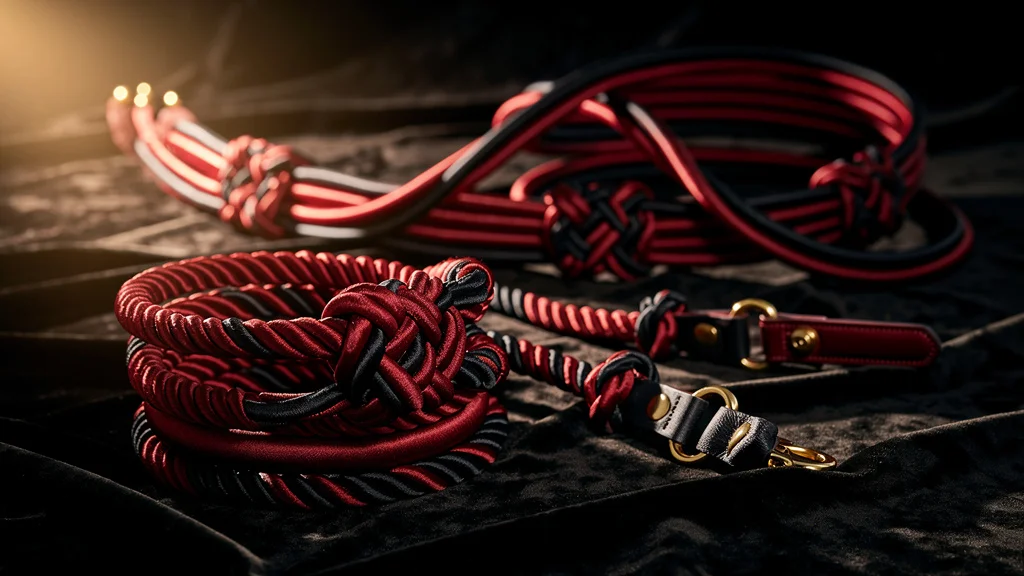
Interested in exploring Hemp Rope with your partner?
Start Your ChecklistHemp rope holds a distinctive place among materials used for bondage—stronger than jute, softer than synthetic options, and carrying an earthy aesthetic that many practitioners find uniquely appealing. Made from the fibers of the cannabis sativa plant (containing negligible psychoactive compounds), hemp creates rope with excellent grip, moderate flexibility, and a natural character that softens with use.
This guide explores hemp rope specifically for bondage applications. You'll learn how hemp compares to other rope options, how to select quality hemp rope, proper preparation and care techniques, and what makes hemp particularly suitable for certain types of bondage work. Whether you're choosing your first rope material or adding hemp to an existing collection, understanding this material's unique properties enables informed decisions.
Hemp rope has been used for thousands of years across many applications—from sailing to construction to decoration. Its use in bondage continues a long tradition of appreciating this remarkable natural fiber for situations requiring strength, grip, and tactile pleasure.
How Hemp Rope Works
Hemp rope's distinctive characteristics emerge from the properties of hemp fiber and how that fiber is processed into rope. Understanding these fundamentals helps you select appropriate rope and work with it effectively.
Properties of Hemp Rope
Strength: Hemp produces some of the strongest natural fiber rope available. Properly processed hemp rope can support significant load, making it suitable for more demanding applications than some softer fibers. This strength comes with durability—hemp rope lasts with proper care.
Grip: Hemp fibers create excellent friction against each other and against skin. This grip makes knots hold securely and allows rope to stay in position without constant re-tightening. For bondage applications requiring the rope to stay put, hemp excels.
Texture: Fresh hemp rope tends toward roughness, but this softens significantly with processing and use. Well-broken-in hemp becomes soft and pleasant against skin while retaining its grip characteristics. The journey from rough to soft is part of working with natural fiber rope.
Stretch: Hemp has relatively low stretch compared to synthetic ropes, meaning ties hold their position well. This predictability makes hemp reliable for applications where consistent tension matters.
Hemp Compared to Other Rope Materials
Hemp versus jute: Jute is softer and lighter initially, while hemp is stronger and more durable. Jute requires more careful handling to avoid damage; hemp tolerates more stress. Many riggers use both, choosing based on specific application needs.
Hemp versus synthetic: Synthetic ropes (nylon, MFP, etc.) are typically stronger, waterproof, and require less maintenance. However, they lack the natural aesthetic, scent, and tactile quality of hemp. They also grip differently—sometimes more slippery, requiring different knotting approaches.
Hemp versus cotton: Cotton is softer but significantly weaker and stretches more. Cotton works for decorative or gentle applications; hemp suits more demanding uses. Cotton also absorbs moisture more readily, which can cause skin irritation.
Processing and Preparation
Hemp rope typically requires processing before use in bondage. Raw hemp can be stiff, rough, and contain loose fibers that irritate skin. Processing may include:
Singeing burns off loose surface fibers, creating smoother surface texture. This is done carefully with controlled flame to avoid damaging the rope structure.
Conditioning with oils (jojoba, mineral oil, or specialized blends) softens fibers and adds suppleness. Different conditioning approaches create different feels—some riggers prefer drier rope, others prefer oiled.
Breaking in through use and handling continues softening the rope over time. Many riggers note that their rope becomes better with years of use.
Safety Considerations
Hemp rope is generally safe for bondage when properly prepared and used, but certain considerations ensure positive experiences.
Physical Safety
Allergies: Some people react to hemp fibers or to oils used in conditioning. Test contact on a small skin area before extensive use, especially with new rope.
Rough texture: Inadequately prepared hemp can cause skin irritation, rope burn, or abrasion. Ensure rope is properly processed before use against skin. Watch for rough spots that may develop with use.
Load capacity: While hemp is strong, actual breaking strength varies by manufacturer, diameter, and condition. Know your rope's ratings and use appropriate safety margins for any load-bearing applications.
Standard bondage safety applies regardless of rope material—nerve safety, circulation monitoring, emergency cutting ability, and position safety remain essential. Rope material doesn't change these fundamental requirements.
Rope Maintenance Safety
Poorly maintained hemp rope can become weak, rough, or harbor bacteria. Regular inspection for wear, proper cleaning, and appropriate storage maintains rope safety and longevity.
Hemp is susceptible to mildew if stored damp. Ensure rope is fully dry before storage, and store in breathable containers in low-humidity environments.
Red Flags
Reject rope that shows visible wear, weak spots, mold or mildew, or areas where fibers are breaking. Don't use rope that causes consistent skin irritation. Replace rope periodically rather than using until failure.
Beginner's Guide to Hemp Rope
Starting with hemp rope involves selecting appropriate rope, preparing it for use, and learning its particular handling characteristics.
lass="seo-content">Purchase from reputable sources. Rope sold specifically for bondage has typically been processed appropriately. Hardware store rope, even if labeled hemp, may be too rough, contain treatments unsuitable for skin contact, or be processed differently than bondage-specific rope.
Choose appropriate diameter. 6mm (1/4") rope works well for most body bondage, offering good grip without excessive weight. 8mm provides more presence and strength for applications requiring it. Thinner diameters work for specific techniques but require more expertise to use safely.
Prepare your rope. Even "pre-treated" rope may benefit from additional conditioning. Handle your rope extensively before using it for bondage—run it through your hands, practice knots, allow it to begin softening through use.
Learn to coil and store properly. Chain coiling or figure-8 coiling prevents tangles while allowing rope to uncoil smoothly. Proper storage extends rope life significantly.
Start with simple ties. Learn foundational techniques with your hemp rope before progressing to complex work. Understand how hemp handles differently than other materials you may have encountered.
Have safety shears ready. EMT-style shears cut hemp rope quickly in emergencies. They should be immediately accessible during any session, not stored elsewhere.
Discussing Hemp Rope with Your Partner
Conversations about rope material may seem minor, but they can affect partner experience significantly.
If you have preference for hemp rope, share what appeals to you—perhaps the natural feel, the strength, the aesthetic, or the scent. These qualities enhance experience for some people; others may not share the appreciation.
Discuss any known sensitivities to natural fibers. Some people react to hemp or to conditioning oils. Testing on small skin areas before extended use prevents unpleasant surprises.
Talk about texture preferences. Hemp can range from quite soft to moderately rough depending on processing. Partners may have preferences about how the rope feels against their skin.
For partners new to rope, explain why you've chosen hemp and what to expect. The distinctive characteristics of natural fiber rope—its smell, feel, and behavior—differ from what people might expect from general experience with rope or cord.
Frequently Asked Questions
How long does hemp rope last with regular use?
With proper care, quality hemp rope can last years of regular use. Longevity depends on use intensity, storage conditions, cleaning practices, and initial rope quality. Many riggers have ropes that improve over years of use while remaining structurally sound.
How do I clean hemp rope?
Light cleaning involves airing the rope and brushing off debris. Deeper cleaning might include washing (which requires thorough drying before storage) or replacing heavily soiled sections. Some oils and conditioning products have cleaning properties. Heavily contaminated rope may need replacement.
Should I oil my hemp rope?
Oiling softens hemp and can extend its life, but preferences vary. Some riggers prefer minimal oiling for more grip; others prefer well-oiled rope for skin comfort. Jojoba oil, mineral oil, and specialized rope oils are common choices. Experiment to find what works for your preferences and uses.
Can hemp rope be used for suspension?
Hemp is strong enough for suspension when properly rated for the application, but suspension requires specialized technique, hardware, and safety knowledge beyond rope selection. Only attempt suspension with appropriate training, regardless of rope material.
How does hemp rope smell?
Hemp has a distinctive earthy, slightly grassy scent that intensifies when new or wet and mellows with age. Some people find this scent pleasant and grounding; others may find it strong. Conditioning oils can modify the scent. The smell typically decreases with use and airing.
🛒 Recommended Gear
Note: Links below are affiliate links. We may earn a commission at no extra cost to you.
Discover What You Both Desire
Create your personal checklist and compare with your partner to find activities you'll both enjoy exploring together.
Get Started FreeNo credit card required