Leather (wearing)
Wearing leather clothing for its aesthetic and tactile appeal. Short Explanation: "Receiving" means you wear leather; "Giving" means you present leather attire to your partner.
Give vs Receive
| Role | What it means for Leather (wearing) activity |
|---|---|
| Receiving | you wear leather |
| Giving | you present leather attire to your partner |
Read the full Yes/No/Maybe list guide or browse all activities.
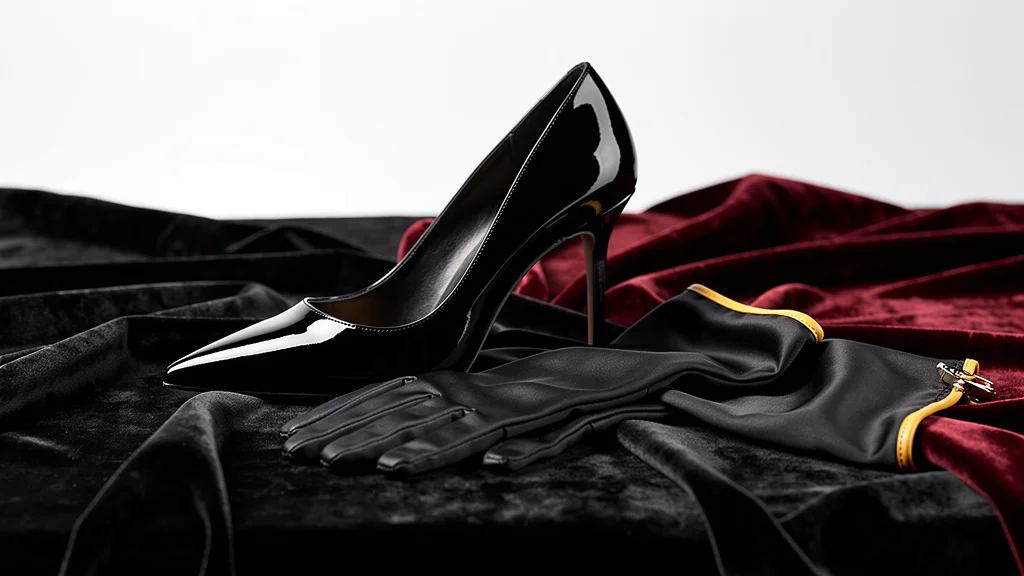
Interested in exploring Leather (wearing) with your partner?
Start Your ChecklistThe experience of wearing leather is a distinct aspect of leather appreciation within BDSM and fetish contexts. While leather clothing and gear are discussed elsewhere, this guide focuses specifically on the sensory and psychological experience of being in leather—how it feels against skin, how it changes movement and awareness, and how wearing leather can shift headspace and identity.
For those with leather appreciation, simply putting on leather can be transformative. The weight of a jacket settling on shoulders, the tightness of leather pants molding to legs, the smell of the material surrounding you—these sensory experiences can trigger powerful psychological responses. Wearing leather often signals a transition into a different version of oneself, whether dominant, submissive, or simply more sexually present.
This guide explores the phenomenology of wearing leather—what the experience involves, why it affects people as it does, how to enhance the experience, and how to incorporate leather wearing into your erotic and BDSM practice. Understanding leather as an experience rather than just an object deepens appreciation for this iconic material.
How Wearing Leather Works
Wearing leather engages multiple senses simultaneously. The material produces distinctive tactile sensations, has a characteristic smell that many find arousing, makes specific sounds when moving, and creates a particular visual presentation. This multi-sensory experience is what makes leather so potent for many practitioners.
Techniques and Variations
Full Leather: Wearing complete leather outfits—jacket, pants, boots, gloves—creates an immersive experience where leather surrounds the body. This totality of leather contact maximizes sensory input.
Minimal Leather: Single leather pieces against otherwise bare skin creates contrast. A leather harness on bare chest, leather cuffs on otherwise naked limbs, or a collar alone emphasizes both the leather and the exposed skin.
Leather Against Skin: Wearing leather directly against skin (rather than over clothing) provides more intense tactile experience. Some leather clothing is designed for direct skin contact with appropriate linings.
Leather for Headspace: Many people use leather wearing as a ritual transition into a specific mindset. Donning leather gear can signal the beginning of a scene or shift into a particular role.
Extended Wear: Wearing leather for extended periods (an evening out, a day at an event) creates a sustained experience that casual wearing does not provide. The leather warms, molds, and becomes more intimate over time.
Public vs. Private: The experience of wearing leather in public—being seen in leather—differs from private leather wearing. Each context offers different psychological experiences.
Equipment and Tools
Body-Fitting Pieces: Leather that fits closely (pants, vests, corsets) provides more tactile feedback than loose pieces. The pressure and movement against skin enhance awareness.
Heavy vs. Light Leather: Heavier leather (thick jackets, full chaps) feels substantial and weighty. Lighter leather (lambskin, thin garments) feels more like a second skin. Each offers different experiences.
Accessories: Small leather items—gloves, collars, cuffs—can provide leather experience without the commitment or expense of full garments. They serve as entry points and supplements.
Care Products: Leather conditioners and treatments that maintain leather also affect its smell and feel. Some people enjoy the ritual of caring for their leather as part of the overall experience.
Safety Considerations
While wearing leather is generally safe, some considerations ensure comfortable and healthy experiences.
Physical Safety
Temperature Regulation: Leather does not breathe well and can cause overheating, especially during physical activity or in warm environments. Stay hydrated and be aware of heat buildup.
Skin Sensitivity: Some people develop skin reactions to leather treatments, dyes, or the tanning chemicals used. If irritation occurs, identify the cause—it might be specific items rather than leather generally.
Movement Restriction: Very tight leather can restrict movement or circulation. Ensure you can move safely, especially in unfamiliar environments. Very tight garments should be worn with awareness of these limitations.
Care When Removing: After extended wear, especially of tight pieces, remove leather gradually and allow circulation to normalize before engaging in other activities.
Emotional Safety
Identity Exploration: Wearing leather can evoke strong feelings about identity and self-presentation. Allow space for processing these feelings, especially when first exploring leather as personal expression.
Community Dynamics: Leather communities sometimes have expectations about what leather wearing signifies. Wear what feels authentic to you while being aware of potential community interpretations.
Investment Anxiety: Quality leather is expensive. Avoid financial overextension in building a leather wardrobe. Better to have one cherished piece than debt from multiple items.
Red Flags
Be cautious of people who dictate what you must wear, pressure you into leather purchasing beyond your comfort, or assign meanings to your leather that you do not endorse.
Beginners Guide
Exploring the experience of wearing leather can begin simply and develop over time.
Step 1: Identify What Attracts You
Is it the smell? The feel? The look? The associations? Understanding what specifically draws you helps focus your exploration and purchasing decisions.
Step 2: Start with Accessible Pieces
Leather accessories (gloves, belts, simple cuffs) offer leather experience at lower cost than full garments. They let you test your response to leather before major investment.
Step 3: Try Before Buying
If possible, try on leather in stores or at events. The experience of wearing specific items varies greatly. What looks appealing online might feel wrong in person, and vice versa.
Step 4: Note Your Responses
Pay attention to how wearing leather affects you. What sensations stand out? Does your behavior or headspace change? Understanding your responses guides further exploration.
Step 5: Wear in Private First
Before public leather wearing, spend time in leather at home. Get comfortable with how pieces feel, move, and sound. This builds confidence for more public expression.
Step 6: Explore Community Spaces
Leather bars, fetish nights, and kink events provide contexts where leather wearing is normalized and celebrated. These spaces offer validation and community.
Discussing with Your Partner
Sharing leather appreciation with a partner involves communication about what the experience means to you and how you might share it.
Express what wearing leather provides for you—whether it is sensory pleasure, identity expression, headspace transition, or something else. Help your partner understand the depth of the experience beyond surface aesthetics.
Explore whether your partner shares any leather interest. They might appreciate leather on you without wanting to wear it themselves, might discover their own leather appreciation, or might have different feelings entirely. All responses are valid.
Discuss practical integration: When do you wear leather in the relationship? Are there scenes or activities where leather wearing enhances the dynamic? How does leather fit into your shared aesthetic?
For partners new to leather appreciation: education helps. Sharing the history and culture of leather, letting them touch and smell quality leather, or visiting leather community spaces together can build understanding and possibly shared enthusiasm.
Frequently Asked Questions
Why does leather smell affect people so strongly?
Leather scent is complex, containing notes from the original hide, tanning processes, and any treatments applied. Smell is closely connected to memory and emotion centers in the brain. Many people develop strong associations between leather scent and arousal through conditioning over time.
Is leather appreciation the same as leather fetish?
Leather fetish typically means leather is required or strongly preferred for arousal. Leather appreciation is broader—finding leather appealing without necessarily requiring it sexually. Both exist on a spectrum, and individuals may experience leather differently in different contexts.
How do I find leather that fits well?
Leather sizing differs from regular clothing. Many leather vendors offer custom sizing. If buying standard sizes, go slightly snug as leather stretches. Quality leather should mold to your body over time, becoming more personalized with wear.
Can I develop leather appreciation or is it innate?
Both scenarios occur. Some people feel drawn to leather from early awareness. Others develop appreciation through exposure, partners who wear leather, or community involvement. Appreciation can also deepen over time through positive experiences.
What if my partner does not understand my leather interest?
Many people find fetishes and strong material preferences confusing if they do not share them. Education helps, but some partners may never fully understand. What matters is mutual respect—they do not need to share your enthusiasm, but should not dismiss or shame it.
🛒 Recommended Gear
Note: Links below are affiliate links. We may earn a commission at no extra cost to you.
Discover What You Both Desire
Create your personal checklist and compare with your partner to find activities you'll both enjoy exploring together.
Get Started FreeNo credit card required