Rope Bondage
The practice of using rope to restrain a partner for pleasure, intimacy, or art.
Read the full Yes/No/Maybe list guide or browse all activities.
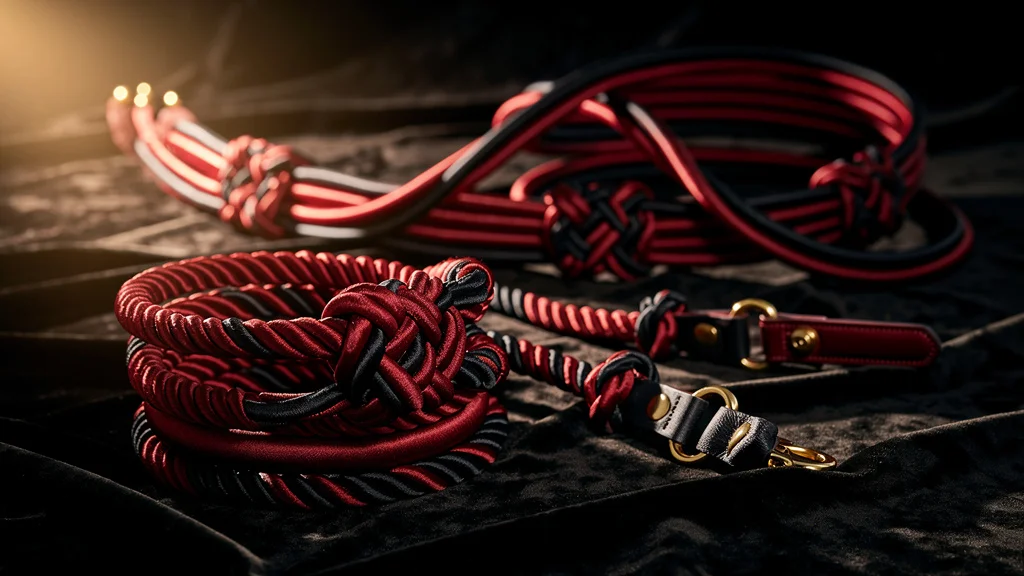
Interested in exploring Rope Bondage with your partner?
Start Your ChecklistRope bondage encompasses the practice of using rope to restrain a partner for pleasure, intimacy, or artistic expression. Unlike the elaborate patterns of Japanese shibari, Western rope bondage often emphasizes practical restraint and the physical sensations of being bound—though many practitioners blend elements from both traditions.
The appeal lies in the unique combination of vulnerability, trust, and physical sensation that rope creates. Whether you're interested in simple wrist ties or more complex harnesses, rope bondage offers a versatile medium for exploring power dynamics and intimate connection with your partner.
This guide covers the fundamentals of rope bondage, essential safety knowledge every practitioner needs, and how to begin exploring restraint with confidence and care.
How Rope Bondage Works
Rope bondage uses friction, wraps, and knots to secure a partner's body or limbs. The practice ranges from simple single-point ties to elaborate full-body restraints, with practitioners choosing approaches based on experience, goals, and aesthetic preferences.
Techniques and Variations
Core rope bondage techniques include:
- Single-column ties: Secure rope around one limb or body part—the foundation of all bondage
- Double-column ties: Bind two limbs together (wrists, ankles)
- Hogties: Classic position connecting wrists to ankles behind the back
- Spreader positions: Keeping limbs apart rather than together
- Body harnesses: Decorative and functional wraps around the torso
- Attachment to furniture: Securing a bound partner to beds, chairs, or purpose-built equipment
Equipment and Tools
- Rope: Natural fibers (cotton, hemp, jute) or synthetic (nylon, MFP). Beginners often start with soft cotton or MFP for comfort and ease.
- Length: Most ties use 15-30 foot lengths; have multiple pieces available
- Safety shears: Essential for emergency release—EMT scissors cut rope quickly
- Carabiners: Useful for quick attachment points
Safety Considerations
Rope bondage carries real physical risks that require education and vigilance. Understanding safety transforms the practice from potentially harmful to genuinely enjoyable.
Physical Safety
- Nerve awareness: Avoid pressure on vulnerable nerve zones (inner arm, back of knee, armpit)
- Circulation checks: Monitor color, temperature, and sensation of extremities every few minutes
- The two-finger rule: Ensure two fingers fit between rope and skin
- Time limits: Keep ties on for shorter periods while learning (15-20 minutes)
- Position consideration: Avoid hyperextended joints and positions restricting breathing
- Never leave alone: Stay with your bound partner at all times
Emotional Safety
- Establish clear safewords before beginning
- Check in verbally throughout the session
- Plan aftercare—physical comfort and emotional processing
- Recognize that vulnerability in bondage can trigger unexpected emotions
Red Flags
Stop and release immediately if:
- Numbness, tingling, or coldness in extremities
- Skin discoloration
- Difficulty breathing
- Panic or genuine distress
- Any use of the safeword
Beginner's Guide
Starting rope bondage requires patience and progressive skill-building. Rushing into complex ties risks injury and frustration.
Week 1: Practice single-column ties on your own leg or a pillow. Focus on consistent tension and clean wraps. This builds muscle memory safely.
Week 2: Move to simple wrist ties with a partner. Focus on communication, circulation checks, and comfortable release.
Week 3-4: Add ankle ties and simple connections between them. Practice tying to furniture.
Month 2+: Begin exploring body harnesses and more complex positions, always within your safety knowledge.
Learning resources:
- In-person workshops provide invaluable hands-on feedback
- Books and video tutorials from reputable educators
- Local rope communities often host beginner events
Discussing with Your Partner
Introducing rope bondage requires honest conversation about both the appeal and the trust involved. Share what attracts you—is it the aesthetic, the power dynamic, the sensation, or the intimacy of the process?
Discuss together:
- Who would be comfortable in each role
- Any positions or areas that are off-limits
- Safewords and communication methods
- How you'll learn together (classes, books, videos)
Start with simple explorations before committing to anything elaborate. Many couples find learning together becomes an intimate journey of its own.
Frequently Asked Questions
What's the best rope for beginners?
Soft cotton or solid-braid nylon (MFP) in 6mm diameter offers a forgiving learning experience. They're comfortable, affordable, and easy to untie. As skills develop, many transition to jute or hemp.
How tight should ties be?
Snug enough to restrain but loose enough that two fingers slide under the rope. Tightness that restricts circulation is too tight.
What's the difference between rope bondage and shibari?
Shibari refers specifically to Japanese rope bondage traditions emphasizing aesthetics and pattern. Western rope bondage often prioritizes function over form, though many practitioners blend both approaches.
Can bondage be done solo?
Self-bondage exists but carries significant safety risks—if something goes wrong, there's no one to help. It requires extensive experience and safety precautions beyond beginner scope.
🛒 Recommended Gear
Note: Links below are affiliate links. We may earn a commission at no extra cost to you.
Discover What You Both Desire
Create your personal checklist and compare with your partner to find activities you'll both enjoy exploring together.
Get Started FreeNo credit card required