Intricate Rope / Shibari
A traditional Japanese rope bondage style focusing on aesthetics, control, and intricate patterns. Short Explanation: "Receiving" means you are bound in traditional shibari, while "Giving" means you apply shibari techniques to your partner.
Read the full Yes/No/Maybe list guide or browse all activities.
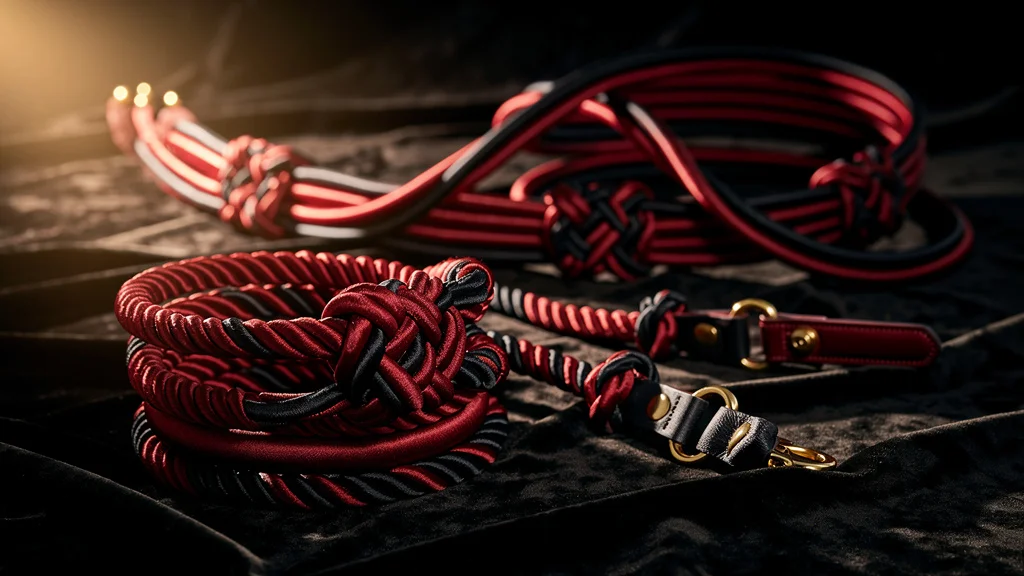
Interested in exploring Intricate Rope / Shibari with your partner?
Start Your ChecklistShibari—the Japanese art of intricate rope bondage—elevates functional restraint into profound artistic and meditative practice. Unlike basic bondage focused primarily on restriction, shibari emphasizes aesthetic beauty, energetic connection between partners, and the transformative experience of the tying process itself. The result is wearable art that can range from elegantly simple harnesses to complex full-body ties and suspensions.
The term shibari (meaning "to bind" or "to tie") and kinbaku ("tight binding") are often used interchangeably in Western contexts, though purists note distinctions between decorative and erotic binding traditions. What unites all intricate rope work is attention to pattern, tension, and the interplay between rigger and rope bottom that creates experiences far richer than simple restraint.
This guide introduces the world of intricate rope bondage, exploring its foundations, essential techniques, safety requirements, and the unique connection it creates between partners. Whether you're drawn to shibari's aesthetic beauty, its meditative qualities, or its erotic potential, understanding this practice opens doors to deeply rewarding experiences.
How Shibari Works
Shibari operates on multiple levels simultaneously—as physical restraint, artistic expression, energetic exchange, and meditative practice. Understanding these dimensions helps practitioners develop beyond mere technical execution.
Core Principles
Pattern and symmetry characterize classical shibari. Traditional ties follow established patterns that distribute pressure appropriately while creating visual beauty. Learning these patterns provides foundation for more creative work.
Tension management distinguishes skilled rope work. Proper tension creates secure ties without excessive pressure. The rope should grip firmly but not dig in painfully or restrict circulation. Achieving consistent tension throughout complex ties requires practice.
Flow and presence describe the quality of attention during tying. Skilled riggers maintain awareness of their partner's experience while executing technical movements. The tying process itself becomes a form of connection, not merely a means to an end.
Framing the body is shibari's aesthetic goal. Rope patterns accentuate body shapes, create visual lines, and transform the human form into living art. This requires understanding how different ties interact with different body types.
Essential Techniques
Single and double column ties are foundational knots that create secure attachment points around limbs or body parts. Mastering these basic building blocks enables more complex work.
Chest harnesses (takate-kote, box tie, etc.) distribute pressure across the torso. These ties require careful attention to nerve safety and proper loading. A well-executed chest harness can be beautiful, secure, and comfortable.
Hip harnesses provide stable lower-body anchor points. These ties support leg work and can be precursors to suspension.
Futomomo (thigh ties) and leg work create beautiful leg positions while restricting movement. These ties can be decorative or functional.
Suspension represents advanced shibari, lifting the rope bottom partially or fully off the ground. This requires extensive training, appropriate equipment, and thorough safety protocols.
The Rope Bottom Experience
For the person being tied, shibari offers unique sensations and states. The gradual envelopment by rope, the accumulation of pressure points, the increasing restriction—these create distinctive physical and mental experiences. Many rope bottoms describe meditative states, deep vulnerability, and profound connection with their rigger.
Safety Considerations
Rope bondage carries genuine risks that increase with complexity. Safety education is essential—this guide provides orientation, not comprehensive training.
Physical Safety
Nerve safety is the primary concern in shibari. The body has several vulnerable nerve pathways that rope can compress, causing temporary numbness or, in serious cases, lasting damage. Key danger zones include the inner arm (radial nerve), outer arm near the elbow (radial nerve again), armpit area (brachial plexus), and areas behind the knee. Learn nerve pathways before attempting bondage in these areas.
Circulation monitoring prevents tissue damage from restricted blood flow. Check fingers and toes for color, temperature, and sensation. Tingling, coldness, or color change indicate circulation problems requiring immediate attention.
Pressure distribution prevents point loading. Well-designed ties spread pressure across larger areas. Narrow bands of tight rope create injury risk; wider rope layouts are generally safer.
Emergency preparedness is mandatory. Always have safety shears immediately accessible—EMT-style trauma shears that can cut rope quickly. Know how to release ties rapidly.
Suspension safety requires advanced training, appropriate hard points rated for dynamic loading, proper rigging hardware, and thorough knowledge of suspension-specific risks. This is not beginner territory.
Emotional Safety
The vulnerability of bondage creates emotional intensity. Some rope bottoms experience unexpected emotional releases, fear, or dissociation. Communicate continuously, watch for signs of distress, and be prepared to end scenes if needed.
Aftercare for rope scenes should address both physical needs (checking for marks, addressing circulation issues, physical comfort) and emotional needs (reconnection, processing, affirmation).
Red Flags
- Riggers who dismiss or minimize safety concerns
- Tying without safety shears immediately available
- Ignoring complaints of numbness, tingling, or pain
- Jumping to advanced ties or suspension without proper progression
- Tying tight bands across known nerve danger zones
- Refusing to learn or discuss nerve safety and circulation
- Suspension without proper equipment and training
Beginner's Guide to Shibari
Learn from qualified instructors. Books and videos supplement but don't replace hands-on instruction. Attend rope classes, workshops, or find experienced mentors. Proper technique from the start prevents injury and bad habits.
Invest in appropriate rope. Natural fiber rope (jute or hemp) is traditional and provides friction that helps ties hold. Start with 6mm-8mm diameter, in lengths around 8 meters (approximately 25 feet). Buy from vendors who prepare rope for bondage use.
Master foundational ties first. Single column ties, double column ties, and simple harnesses provide the vocabulary for complex work. Rushing to advanced patterns without this foundation creates safety risks and frustration.
Practice on yourself initially. Self-tying develops technique without risk to partners. Practice on your legs, accessible torso areas, and wherever you can safely reach. A dressmaker's mannequin or bolster pillow can also serve practice purposes.
Study anatomy. Understanding nerve pathways, circulation, and joint limitations makes you a safer rigger. Rope safety education should accompany technical skill development.
Communicate continuously. Ask about sensations, check in regularly, and respond immediately to feedback. Develop signals for when your rope bottom can't speak (nodding systems, gripped objects they can drop).
Progress gradually. Build complexity slowly, master each level before advancing, and don't attempt suspension until you have extensive floor work experience and appropriate training.
Discussing Rope Bondage with Your Partner
Conversations about shibari should address practical considerations alongside desires and interests.
Discuss what draws each of you to rope. Is it aesthetic appreciation, the restraint aspect, the meditative quality, the intimacy of the process, or erotic charge? Understanding motivations helps design experiences that satisfy both partners.
Address physical considerations honestly. Shoulder flexibility, existing injuries, chronic conditions, and body type all affect what's possible and comfortable. Good riggers adapt their work to individual bodies.
Talk about time and patience. Quality shibari takes time—you're not watching the clock. Discuss how much time you can dedicate and what pace feels comfortable.
Explore the learning commitment. Developing shibari skills requires ongoing education. Are both partners interested in learning, or will one primarily tie while the other receives? Both arrangements work.
Discuss boundaries around intensity. Rope can be gentle and meditative or tight and challenging. Establish what you're seeking and how to communicate adjustments during scenes.
Frequently Asked Questions
What kind of rope should beginners use?
Natural fiber rope (jute or hemp) designed for bondage is traditional and provides good friction for holding ties. Start with 6mm diameter for most body types, 8mm for fuller bodies or if you prefer cushioning. Begin with three to four lengths of approximately 8 meters. Buy from bondage rope vendors—hardware store rope is not appropriate.
How long does it take to learn shibari?
Basic ties can be learned in hours; developing genuine skill takes years of practice. You can have meaningful rope experiences while still learning, but recognize that shibari mastery is a long-term pursuit. Focus on doing what you know well rather than rushing to advanced work.
Is numbness during bondage normal?
Mild temporary numbness can occur, but it's a warning sign requiring response. Persistent numbness, especially with weakness, indicates nerve compression and requires immediate release of pressure. If numbness doesn't resolve quickly after untying, seek medical attention. Learn to distinguish positional circulation effects from nerve compression.
Can shibari work for all body types?
Yes, but ties must be adapted to individual bodies. What works on one body may not work on another. Skilled riggers learn to adjust patterns for different body types, mobility levels, and proportions. Representation has expanded in rope communities, demonstrating beautiful work across diverse bodies.
Do I need to learn Japanese terms?
No, though terminology often appears in instruction. Learn whatever helps you communicate effectively. Understanding common terms like takate-kote, futomomo, and gote helps you follow instructions and communicate with other practitioners, but the rope work matters more than the vocabulary.
🛒 Recommended Gear
Note: Links below are affiliate links. We may earn a commission at no extra cost to you.
Discover What You Both Desire
Create your personal checklist and compare with your partner to find activities you'll both enjoy exploring together.
Get Started FreeNo credit card required