Legs
Restraints or bindings applied to the legs, preventing walking or movement. Short Explanation: "Receiving" means your legs are bound, while "Giving" means you restrain your partner’s legs.
Read the full Yes/No/Maybe list guide or browse all activities.
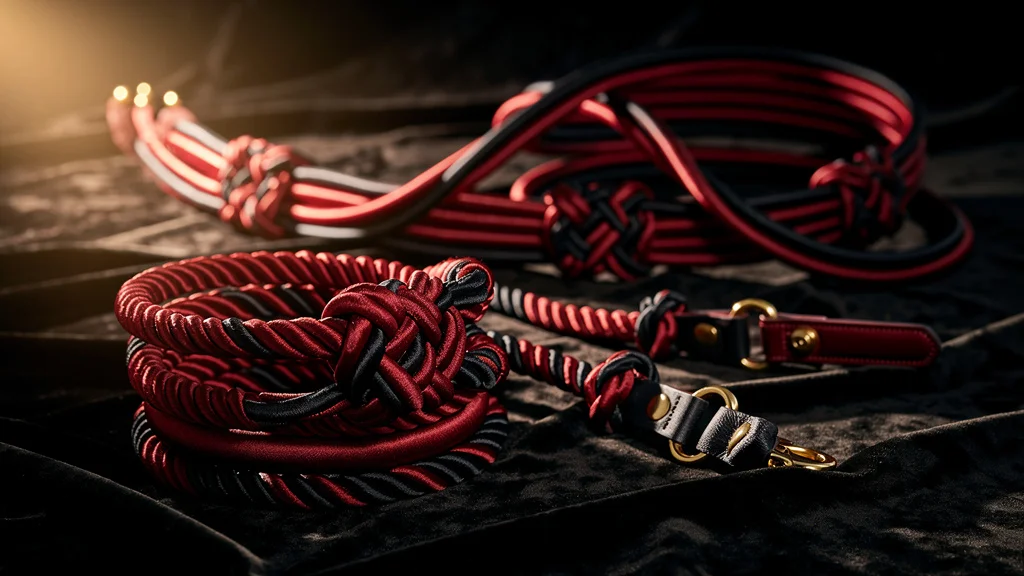
Interested in exploring Legs with your partner?
Start Your ChecklistLeg bondage represents a specialized category within rope and restraint bondage, focusing specifically on binding, positioning, and restricting the legs. From simple ankle bindings to elaborate ties that create forced positions, leg bondage offers extensive possibilities for aesthetic expression, functional restraint, and sensation play.
The legs are excellent candidates for bondage because of their length, musculature, and the many positions they can be placed in. Leg bondage can spread legs for access, bind legs together to restrict movement, create bent positions that fold the body, or position legs for display. The practical applications are as varied as the visual appeal.
This guide explores the world of leg bondage, covering different techniques, safety considerations specific to leg restraint, equipment options, and how to incorporate leg bondage into broader scenes. Understanding the unique aspects of binding legs ensures safe, effective, and aesthetically pleasing results.
How Leg Bondage Works
Leg bondage works by applying restraints to the legs in ways that limit movement, create positions, or produce sensation. The legs contain major muscle groups and significant blood vessels, making technique and safety knowledge important for effective and safe leg bondage.
Techniques and Variations
Ankle Binding: The most basic leg bondage binds the ankles together. This can use rope, cuffs, or straps and limits walking while allowing other movement.
Leg Spreading: Using spreader bars, rope ties, or anchored restraints to hold legs apart. This creates vulnerability and access for other activities.
Frogtie: Bending each leg so the ankle meets the thigh and binding in this position. Creates a compact position that spreads the knees while immobilizing the lower leg.
Single Leg Ties: Wrapping rope around one leg in decorative or functional patterns. Can create sensation through pressure or simply look beautiful.
Thigh Bondage: Binding around the upper thighs, often connecting them or restricting how far legs can spread. Thigh harnesses are common elements of leg bondage.
Full Leg Ties: Elaborate patterns that run the entire length of the leg, creating visual interest and distributed sensation. Japanese-style leg ties are particularly known for their beauty.
Combined Positions: Leg bondage often combines with other bondage—legs tied to wrists, spread to attachment points, or bound in conjunction with chest or arm ties.
Equipment and Tools
Rope: Natural fiber rope (jute, hemp) or synthetic rope in appropriate diameters for leg bondage. Legs can handle slightly thinner rope than wrists due to larger surface area.
Ankle Cuffs: Leather or metal cuffs specifically sized for ankles. Often used with chains or straps for quick restraint.
Spreader Bars: Rigid bars that attach to ankle restraints, holding legs at a fixed distance apart. Available in various lengths and materials.
Thigh Cuffs: Larger restraints designed for upper thighs. May include attachment points for connecting to other restraints.
Leg Straps: Adjustable straps in various lengths for securing legs in different positions.
Safety Considerations
Leg bondage carries specific safety considerations due to the anatomy involved.
Physical Safety
Circulation: The legs contain major blood vessels. Any bondage that significantly restricts blood flow can become dangerous. Watch for color changes (blue, white, or mottled), temperature changes, numbness, or tingling.
Behind the Knee: The back of the knee contains nerves and blood vessels close to the surface. Avoid placing tight bindings directly behind the knee. If rope must cross this area, pad it or ensure minimal pressure.
Nerve Paths: The peroneal nerve runs along the outside of the knee. Pressure here can cause foot drop, a serious condition. Be cautious with any bondage around the outer knee area.
Position Duration: Legs in stressed positions (folded tightly, spread wide) can experience muscle cramping and joint stress. Monitor comfort and adjust or release as needed.
Movement Safety: If legs are bound but the person is not fully restrained, they may try to walk and fall. Ensure stability or restrict mobility enough to prevent falling.
Emotional Safety
Vulnerability: Spread legs create significant vulnerability. Ensure the bound person feels safe in this exposed position.
Position Association: Some positions may trigger memories or associations. Check in about comfort with specific leg positions before applying bondage.
Mobility Loss: Being unable to run or escape can create anxiety. Build leg bondage gradually if your partner has concerns about immobility.
Red Flags
Immediately release leg bondage if you notice: sudden sharp pain, numbness or tingling, cold feet or lower legs, significant color change, or inability to move toes. These may indicate nerve compression or circulation problems requiring immediate attention.
Beginners Guide
Starting with leg bondage offers many accessible entry points.
Step 1: Start with Ankle Cuffs
Pre-made ankle cuffs with connecting chains or straps offer the simplest entry to leg bondage. They require no rope skills and are quick to apply and remove.
Step 2: Learn Basic Ankle Ties
A simple column tie around both ankles is a fundamental rope skill. This single tie limits movement significantly while being relatively safe.
Step 3: Practice Comfortable Positions
Before tying legs in challenging positions, have your partner assume those positions without bondage. How long are they comfortable? This guides duration limits for tied versions.
Step 4: Monitor Regularly
During leg bondage, check circulation frequently—every 10-15 minutes for tied positions. Ask about sensation, check toe movement, and observe color.
Step 5: Have Release Tools Ready
Keep safety shears within reach. In emergencies, you may need to cut bindings quickly. Rope can be replaced; people cannot.
Step 6: Build Complexity Gradually
Progress from simple ankle bindings to more complex ties only as your skills and knowledge develop. Elaborate leg bondage requires solid foundations.
Discussing with Your Partner
Introducing leg bondage involves practical and emotional considerations worth discussing.
Explore what appeals about leg bondage: Is it the restriction of movement? The aesthetic of bound legs? Access for other activities? The vulnerability of spread legs? Different interests lead to different approaches.
Discuss any relevant physical considerations: knee issues, hip flexibility, circulation concerns, or previous injuries. These inform which positions are safe for your partner.
Talk about psychological elements: How does your partner feel about having their legs spread? About being unable to run or walk? About the vulnerability this creates? Understand their responses before binding them.
Agree on practical aspects: what positions to try first, how long to maintain them, how often to check in, and what signals indicate a need to release.
Frequently Asked Questions
How long can legs stay bound?
This depends on the type of bondage, tightness, and individual factors. Simple ankle binding with proper circulation can last extended periods. Complex positions or tighter bindings require more frequent monitoring and shorter duration. When in doubt, err on the side of caution.
What if legs fall asleep during bondage?
This indicates circulation or nerve compression. Release the bondage, allow sensation to return (which may be uncomfortable), and examine what caused the issue. Do not rebind in the same way without addressing the cause.
Can leg bondage be used for suspension?
Leg suspension (hanging from bound legs) is advanced and dangerous. It requires specific knowledge, reinforced attachment points, and very carefully constructed ties. This is not beginner territory and should only be learned from experienced practitioners.
What width of spreader bar should I get?
This depends on the user. Start with an adjustable bar that can accommodate different spread widths. Too wide can be uncomfortable; too narrow may not achieve desired exposure. Adjustability lets you find what works.
Is leg hair a problem for rope bondage?
Rope can pull leg hair, which some find painful. Smoother ropes cause less pulling than natural fiber ropes. Some people shave legs before rope bondage; others accept the sensation as part of the experience. Removing rope slowly reduces hair pulling.
🛒 Recommended Gear
Note: Links below are affiliate links. We may earn a commission at no extra cost to you.
Discover What You Both Desire
Create your personal checklist and compare with your partner to find activities you'll both enjoy exploring together.
Get Started FreeNo credit card required