Spreader Bars
Bars used to keep limbs apart, limiting movement. Short Explanation: "Receiving" means you are restrained with spreader bars, while "Giving" means you use them to enforce separation of your partner’s limbs.
Read the full Yes/No/Maybe list guide or browse all activities.
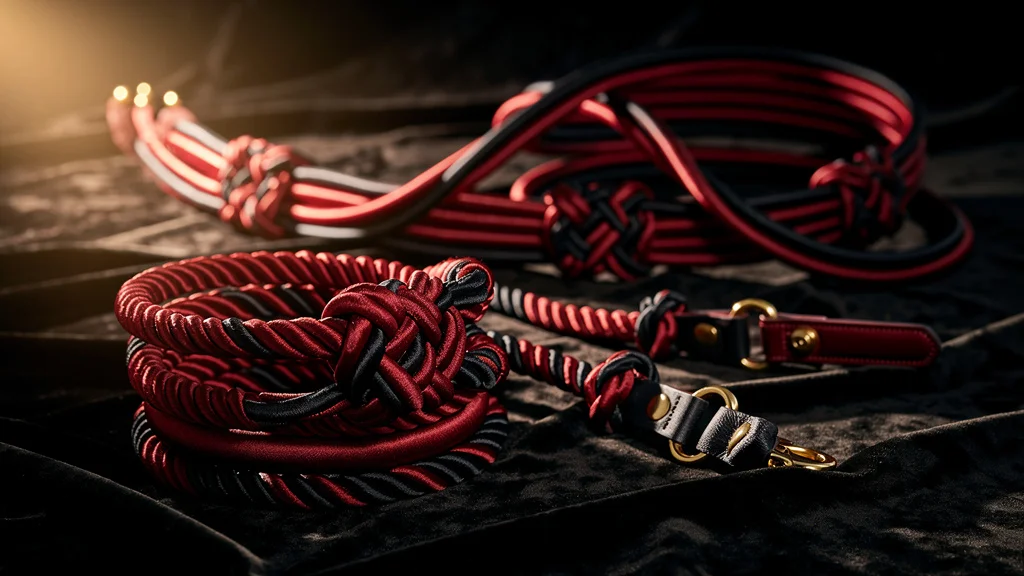
Interested in exploring Spreader Bars with your partner?
Start Your ChecklistThe spreader bar stands as one of bondage's most straightforward yet psychologically potent implements. By physically holding limbs apart, this simple device creates immediate, inescapable exposure that many find intensely arousing. Whether attached to ankles, wrists, knees, or incorporated into more complex restraint systems, spreader bars produce a particular quality of vulnerability that differs from other bondage forms—the bound person remains displayed and accessible in ways they cannot modify or conceal.
Unlike rope bondage's complexity or cuffs' intimate embrace, spreader bars create structured, almost architectural restraint. The rigidity of the bar maintains consistent positioning regardless of the bound person's movements; struggling against the bar only emphasizes one's inability to close the enforced gap. This mechanical certainty creates both physical sensation—the stretch and exposure—and psychological impact—the knowledge that the spread position will be maintained precisely as long as the scene requires.
In this comprehensive guide, you'll discover everything needed to explore spreader bar bondage safely and effectively. From understanding different bar designs and attachment methods to mastering proper positioning and safety protocols, you'll find practical guidance for incorporating this classic restraint into your practice. Whether you're curious about trying spreader bars for the first time or looking to refine existing techniques, this resource will serve your exploration.
How Spreader Bars Work
Spreader bars function through simple mechanical principle—a rigid bar maintains distance between attachment points regardless of what the bound person does. Understanding the varieties and applications helps practitioners choose appropriate equipment and use it effectively.
Types and Construction
Commercial spreader bars range from simple metal or wooden bars with D-rings at each end to elaborate adjustable systems with multiple attachment points. Basic bars typically span 18-36 inches, with ankle bars tending shorter (18-24 inches) and arm bars or multi-limb systems running longer (24-36+ inches). Adjustable bars allow customizing spread width for different bodies and purposes.
Materials affect weight, rigidity, and aesthetics. Steel bars are durable and substantial but heavy during extended use. Aluminum provides similar rigidity with less weight. Wooden bars offer warmth and classic aesthetics. Some bars incorporate padding where they might contact skin, though most use with cuffs rather than direct bar-to-skin contact.
Attachment mechanisms vary. D-rings accept clips from cuffs or rope. Some bars have integrated cuffs—padded leather restraints attached directly to the bar. Built-in cuffs offer convenience; separate cuffs provide flexibility and typically better padding for extended wear. Quality mechanisms should not catch or pinch, rotate smoothly if mounted on swivels, and release reliably when needed.
Common Applications
Ankle spreader bars are most common, holding legs apart to enforce exposure and prevent closing. Wrist spreader bars hold arms apart, often combined with overhead attachment to create displayed, vulnerable positioning. Behind-the-back wrist bars create distinctive arm positioning. Knee bars spread thighs while allowing lower legs to move. Multi-bar systems combine several bars for more comprehensive restraint.
Spreader bars combine with other restraint elements in numerous ways: attached to hard points for fixed positioning, incorporated into predicament bondage where maintaining position requires effort, used with other cuffs for elaborate restraint systems, or combined with suspension equipment for advanced play.
Positioning Considerations
Effective spreader bar use considers what positions the bar will maintain and for how long. Ankle bars work well for standing, lying, or bent-over positions but require support systems if maintaining uncomfortable positions for extended periods. Wrist bars behind the back limit arm mobility but require attention to shoulder strain. Overhead wrist spreaders create dramatic visual effect but limited sustainability.
The width of spread significantly affects experience. Wider spreads create more intense exposure and physical strain; narrower spreads allow longer wear with less fatigue. Adjustable bars permit finding the right balance for each scene and person. Begin with narrower spreads and increase based on comfort and tolerance.
Safety Considerations
Spreader bar bondage is relatively safe when practiced thoughtfully, but several considerations require attention to prevent problems.
Joint and Muscle Safety
Spreader bars force joints into maintained positions that can strain muscles and stress joints over time. Hip joints in particular have limited range comfortable for extended spread; forcing beyond comfortable range risks injury. Shoulder strain from behind-the-back wrist positions limits sustainability. Never force spreads beyond what the bound person's body accommodates without discomfort, and reduce spread or release if significant discomfort develops.
Warm-up and gradual increase apply to spreader bar positioning as they do to other physical activities. Starting at maximum spread immediately strains unprepared muscles; working up to wider positions allows the body to adjust. For extended scenes, periodic position changes relieve sustained strain.
Circulation Concerns
The cuffs used with spreader bars (whether integrated or separate) can restrict blood flow if too tight. Check circulation regularly—cold extremities, color changes, or numbness signal circulation problems requiring immediate loosening. Two-finger rule applies: you should be able to slide two fingers between cuff and skin. Adjust cuffs after initial placement, as they may tighten or shift during use.
Nerve compression can occur from cuffs pressing on vulnerable areas. Wrist restraints positioned directly on the wrist joint risk radial nerve damage; slightly higher placement on the forearm avoids this. Quality cuffs with adequate width and padding distribute pressure safely.
Fall Prevention
Bound people with legs spread by spreader bars have compromised balance. Standing positions with ankle bars require support—either the bound person holds something stable or the partner ensures they cannot fall unsafely. Never leave someone in standing spread-eagle position unattended. If incorporating overhead elements, ensure the bound person won't fall if they lose footing.
Quick release capability becomes especially important when balance is compromised. Panic snaps or quick-release clips allow rapid freeing if the bound person begins to fall or loses the ability to maintain position. Fumbling with stuck clasps while someone's falling creates dangerous seconds.
Psychological Considerations
The enforced exposure of spreader bar positions can trigger intense psychological responses. For some this vulnerability is precisely the appeal; for others, particularly unexpected, it may become overwhelming. Establish communication systems and watch for signs of distress beyond desired feelings of helplessness. The inability to close one's body can feel particularly violating if trust wavers—ongoing affirmation and connection help maintain positive experience.
Beginner's Guide to Spreader Bars
Starting with spreader bars requires appropriate equipment, basic safety awareness, and willingness to learn through progressive experience.
Choose appropriate equipment: Starter spreader bars should be adjustable (allowing you to find comfortable widths), equipped with quality cuffs or compatible with cuffs you already own, and constructed from reliable materials with dependable attachment mechanisms. Avoid the cheapest options—this is equipment where quality matters for safety and durability. A basic adjustable ankle bar with padded cuffs serves most beginners well.
Practice mechanics first: Before restraining anyone, practice operating your spreader bar's adjustment and release mechanisms until they become automatic. Attach and release cuffs repeatedly. Discover any quirks in the equipment—clips that require specific angles, adjustments that stick, releases that need firm pressure. Never learn equipment operation during actual use.
Start with simple positioning: Begin with the bound person lying down, where balance isn't a concern and positions are inherently sustainable. An ankle spreader bar with someone on their back creates classic exposure without complex safety requirements. This basic position teaches spreader bar dynamics before adding complications.
Start narrower than expected: Your first sessions should use narrower spreads than seem necessary. This allows the bound person to experience the sensation without maximum physical demand, leaves room to increase intensity in future sessions, and reduces strain-related problems during initial exploration. Discover your specific partner's comfortable range before pushing limits.
Maintain constant attention: Spreader bar bondage requires closer supervision than some restraint forms because positioned limbs can develop problems without obvious warning. Check cuffs periodically, watch for pallor or color change, ask about tingling or numbness, and ensure the bound person remains comfortable with their level of exposure. Never leave someone in spreader bar restraint unattended.
Establish clear communication: Agree on safewords and ensure the bound person knows they can use them for any reason—discomfort, overwhelm, completed experience, or safety concern. The vulnerability of spread positioning makes clear communication channels especially important.
Discussing Spreader Bars with Your Partner
Conversations about spreader bar bondage should address both practical implementation and the significant vulnerability this equipment creates.
When proposing spreader bars, describe what attracts you—the visual impact, the enforced accessibility, the particular quality of vulnerability, or the mechanical certainty of maintained position. Explain how you envision using them, what positions interest you, and what activities might accompany spread bondage. Share educational resources so your partner understands what they're considering.
Acknowledge the intensity of enforced exposure. For many people, the inability to close their body triggers strong responses that may include arousal, vulnerability, fear, or some combination. Discuss how you'll handle these responses, what communication systems you'll use, and how quickly you can release restraints if needed.
Practical planning matters: What equipment do you need? What positions will you try first? What other activities might combine with spread bondage? How long do you anticipate scenes lasting? What aftercare might be appropriate given the vulnerability involved?
After initial experiences, debrief about the physical and psychological experience. How did sustained spreading feel physically? Were emotional responses what was expected? What worked well? What would you adjust? Use this feedback to refine your spreader bar practice, recognizing that early experiences inform rather than define what this equipment can mean in your dynamic.
Frequently Asked Questions
What size spreader bar should I get?
Adjustable bars eliminate sizing guesswork—start there if uncertain. For fixed-size bars, ankle spreaders typically run 18-24 inches, with wider bars creating more intense spreads but less sustainable positions. Consider your primary intended use, your and your partner's body sizes, and remember that narrower bars suit more purposes than very wide ones.
Can I make my own spreader bar?
DIY spreader bars are possible with appropriate materials and skills. Wooden dowels with eye bolts, metal pipes with secure attachment points, or similar constructions can work. Key requirements: solid construction that won't break under strain, secure attachments that won't pull free, smooth surfaces that won't splinter or catch, and reliable connection points for cuffs. If DIY'ing, test thoroughly before use.
How long can someone stay in spreader bar bondage?
Duration depends on position, spread width, individual flexibility, and the bound person's tolerance. Simple lying positions with moderate spreads can be maintained for extended periods with periodic check-ins. Standing or strained positions limit sustainability significantly. Start with shorter durations and increase based on experience. Always prioritize comfort signals over arbitrary time goals.
Do spreader bars work with rope bondage?
Yes—spreader bars often combine with rope restraint systems. Rope can attach to bar D-rings, bars can be incorporated into larger rope scenes, and rope ankle or wrist ties can attach to bars for quick addition of spread elements to rope bondage. The rigidity of bars contrasts with rope's flexibility, often creating interesting hybrid aesthetics and sensation combinations.
Are spreader bars suitable for beginners?
Yes, with appropriate precautions. Spreader bars are mechanically simple, require less technical skill than rope bondage, and produce clear, predictable restraint. The main beginner challenges are respecting physical limitations, maintaining constant attention, and managing the psychological intensity of enforced exposure. Starting with simple positions and moderate spreads makes spreader bars accessible to those new to bondage.
🛒 Recommended Gear
Note: Links below are affiliate links. We may earn a commission at no extra cost to you.
Discover What You Both Desire
Create your personal checklist and compare with your partner to find activities you'll both enjoy exploring together.
Get Started FreeNo credit card required