Nylon Rope
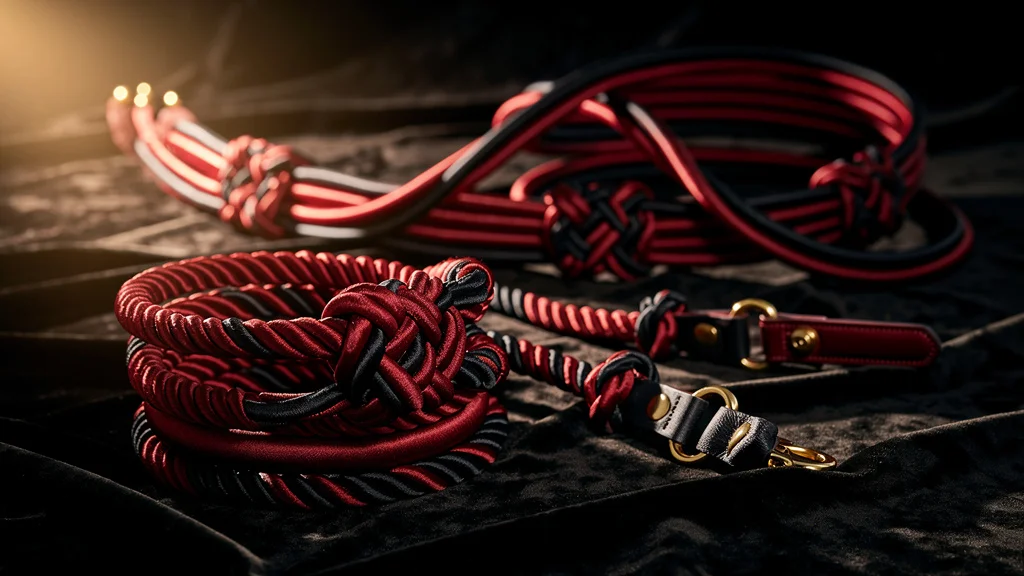
A synthetic rope that is strong and resistant to abrasion, commonly used for bondage. Short Explanation: "Receiving" means you are restrained with nylon rope, while "Giving" means you use it for bondage on your partner.
Read the full Yes/No/Maybe list guide or browse all activities.
Interested in exploring Nylon Rope with your partner?
Start Your ChecklistNylon rope represents one of the most accessible and versatile materials for bondage practice. Its smooth texture, consistent construction, and widespread availability make it an excellent choice for those beginning their rope bondage journey. Unlike natural fiber ropes that require conditioning and careful maintenance, nylon offers practical durability that appeals to both newcomers and experienced practitioners seeking reliable, easy-care rope.
The characteristics of nylon rope create specific advantages and considerations for bondage use. Its synthetic construction provides strength, resistance to moisture and mildew, and easy cleaning - practical benefits for regular use. The smooth surface reduces friction burns but also affects knot security in ways practitioners must understand. These tradeoffs make nylon a distinct choice with its own techniques and applications.
This comprehensive guide explores nylon rope bondage thoroughly: the material properties that affect its performance, proper techniques for this specific rope type, safety considerations unique to synthetic rope, and how to begin building bondage skills with this accessible material. Whether you are purchasing your first rope or adding nylon to an existing collection, understanding its characteristics ensures successful, safe practice.
How Nylon Rope Works
Nylon rope bondage operates on the same principles as other rope types - creating controlled restraint through wraps, knots, and friction - but the material properties of nylon create distinct handling characteristics. The synthetic fibers produce consistent rope without the texture variations found in natural materials. This uniformity affects how rope moves, grips, and holds under tension.
Techniques and Variations
Standard bondage techniques apply to nylon with modifications for its properties. Knots must account for nylon slipperiness - some knots that hold well in hemp or jute may work loose in nylon. Adding extra wraps or using knots specifically suited to slick rope addresses this tendency. Many practitioners favor friction-based ties over purely knot-dependent restraints.
Nylon rope comes in braided and twisted constructions with different characteristics. Braided nylon maintains a rounder profile that many find comfortable and aesthetically pleasing. Twisted nylon offers more grip but may flatten under pressure. Both types work for bondage; preference often develops through experimentation.
Equipment and Tools
Bondage-suitable nylon rope typically ranges from 6mm to 8mm diameter. Thinner rope concentrates pressure uncomfortably; thicker rope becomes difficult to work with for detailed ties. Solid braid nylon specifically marketed for bondage often includes softening treatments that improve skin contact comfort while maintaining strength.
Rope lengths commonly used mirror other bondage materials: multiple lengths of 25-30 feet for body ties, shorter lengths (8-15 feet) for limb binding. Having matching lengths simplifies learning and pattern development. A basic starter kit might include four to six lengths of primary size plus a few shorter pieces.
Safety Considerations
Nylon rope bondage shares general rope safety concerns while presenting specific considerations related to synthetic material properties. The smooth surface that reduces friction burns can also cause slippage issues. The material response to heat and extended tension differs from natural fibers.
Physical Safety
Monitor circulation carefully - nylon slides easily, and ties may tighten unexpectedly. Two-finger clearance under all rope touching skin remains essential. Check frequently, as nylon adjusts readily to struggle or body position changes. Keep safety shears readily accessible; nylon cuts cleanly with sharp scissors or shears.
Nylon can cause different types of friction injury than natural rope. While smoother surface generally reduces abrasion, rapid movement against skin can still cause burns. The synthetic material can heat from friction and hold that heat momentarily. Avoid rapid rope movement over skin; work smoothly and deliberately.
Emotional Safety
Bondage creates vulnerability regardless of rope material. Some people have specific responses to the feeling of synthetic versus natural materials - the smooth plastic sensation of nylon affects some differently than textured natural fiber. Partners should communicate about how the material itself feels, not just the bondage experience.
The accessibility and lower cost of nylon sometimes leads to underestimating the seriousness of bondage practice. Regardless of how easily obtained, rope bondage requires the same careful attention to consent, communication, and safety as any BDSM activity. Treat learning seriously even with "just nylon rope."
Red Flags
Stop immediately if: numbness, tingling, or color change indicates circulation issues; unusual pain suggests nerve compression; or ties have tightened unexpectedly. Nylon slipperiness means retying may be necessary more frequently than with grippier ropes. Seek medical attention for any persistent numbness, pain, or signs of tissue damage after removing rope.
Beginner Guide to Nylon Rope
Begin by familiarizing yourself with how nylon rope handles before attempting to tie another person. Practice basic knots and observe how they hold under tension. Learn which knots grip reliably in this material and which slip. Many beginners practice on pillows, furniture, or their own limbs to develop handling skills.
Start with simple, foundational ties: single column ties (binding one limb), two column ties (connecting two limbs), and basic chest harnesses. These fundamental patterns teach essential skills while remaining reversible and relatively safe. Master basics before attempting elaborate patterns or suspension preparation.
Prepare your rope properly before use. New nylon rope often has residues from manufacturing; washing removes these and softens the rope. Some practitioners condition nylon by stretching and working it to reduce stiffness. Seal cut ends by heat-fusing (carefully melting synthetic fibers to prevent fraying) or using shrink tubing.
Build a practice routine that includes learning new techniques and reviewing familiar ones. Rope bondage develops through repetition - muscle memory for common patterns frees attention for connection with your partner. Consider attending workshops or studying reputable online resources to learn proper technique from experienced practitioners.
Discussing Nylon Rope with Your Partner
Conversations about rope bondage should address interests, concerns, and boundaries regardless of material choice. What appeals about being tied or tying? What sensations are desired? What positions might be explored? These foundational discussions frame the bondage experience more than rope material selection.
Discuss material preferences specifically. Some people prefer the natural texture of hemp or jute; others enjoy nylon smoothness. If one partner has strong material preferences, acknowledge these. Practical considerations like allergies, skin sensitivity, or existing rope collections may influence choices.
Establish clear communication protocols before beginning. Agree on safewords, check-in patterns, and signals for common needs (tighter, looser, stop). Discuss how often to check circulation. Determine how the bound partner can communicate comfortably throughout the experience.
Address skill levels honestly. Rope bondage requires learning; acknowledge where each partner stands in that journey. The tying partner should not attempt techniques beyond their competence. The bound partner should understand the tyer experience level and adjust expectations accordingly. Learning together can be rewarding when approached with appropriate humility.
Frequently Asked Questions
Is nylon rope safe for bondage?
Nylon rope is safe when used properly with attention to its specific characteristics. Monitor for tightening due to slipperiness, use appropriate knots that hold in synthetic material, and follow general rope safety practices. The material itself is non-toxic and body-safe; the risks come from bondage technique, not the rope type.
How does nylon compare to hemp or jute for bondage?
Nylon is smoother, more durable, easier to clean, and typically less expensive than natural fiber ropes. It lacks the grip and texture that many experienced practitioners prefer in hemp or jute. Nylon works well for beginners and practical applications; many switch to natural fibers as skills and preferences develop.
How do I prepare nylon rope for bondage use?
Wash new rope to remove manufacturing residues and soften fibers. Stretch the rope by pulling along its length to reduce stiffness. Seal cut ends by carefully heat-fusing (briefly melting the cut end with flame) or applying shrink tubing. Coil properly for storage to prevent tangles and kinks.
What knots work best with nylon rope?
Choose knots designed to hold in slippery materials. Square knots may slip; substitute surgeons knots or add extra half-hitches. Friction-based techniques often work better than purely knot-dependent ties. Test any unfamiliar knot under tension before relying on it for bondage. Many standard bondage knots need modification for nylon.
How do I clean nylon bondage rope?
Nylon rope washes easily in a mesh laundry bag on gentle cycle with mild detergent. Air dry completely before storage to prevent mildew or odor. Unlike natural fiber ropes that require careful conditioning after washing, nylon typically emerges ready for immediate use once dry. This easy maintenance is a significant advantage of synthetic rope.
🛒 Recommended Gear
Note: Links below are affiliate links. We may earn a commission at no extra cost to you.
Discover What You Both Desire
Create your personal checklist and compare with your partner to find activities you'll both enjoy exploring together.
Get Started FreeNo credit card required