Uniform (wearing)
Wearing a designated outfit as part of submission. Short Explanation: "Receiving" means you wear the uniform; "Giving" means you require your partner to wear it.
Give vs Receive
| Role | What it means for Uniform (wearing) activity |
|---|---|
| Receiving | you wear the uniform |
| Giving | you require your partner to wear it |
Read the full Yes/No/Maybe list guide or browse all activities.
Interested in exploring Uniform (wearing) with your partner?
Start Your ChecklistUniform wearing in BDSM contexts involves donning specific attire that signals role, status, or function within a power exchange dynamic. Whether a submissive dresses as a maid, the dominant wears military-style clothing, or partners adopt matched uniforms that denote their respective positions, these garments serve as powerful tools for establishing and reinforcing dynamic identity.
The psychology of uniforms runs deep in human experience—we naturally associate particular clothing with authority, service, discipline, and specific social roles. BDSM practitioners harness these associations, using uniforms to instantly shift mental space, establish expectations, and create visual markers of the dynamics they choose to embody.
This guide explores uniform wearing as a BDSM practice—examining the various types of uniforms commonly used, how they reinforce different dynamic elements, and practical considerations for incorporating uniform requirements into relationships. Whether uniforms appeal as constant reminders of dynamic or occasional scene enhancers, understanding their psychological power helps deploy them effectively.
How Uniform Wearing Works
Uniform wearing functions through the psychological impact of specific attire on both wearer and observer. Putting on a uniform shifts mental state—the wearer begins embodying the role the uniform represents. Meanwhile, observers respond to the uniform visual cues, adjusting their own behavior and perceptions accordingly.
In BDSM contexts, uniforms typically reinforce power differentials or role assignments. A submissive in maid attire naturally falls into service orientation, while military or executive uniforms suggest authority and command. The clothing becomes external scaffolding that supports internal role embodiment.
Techniques and Variations
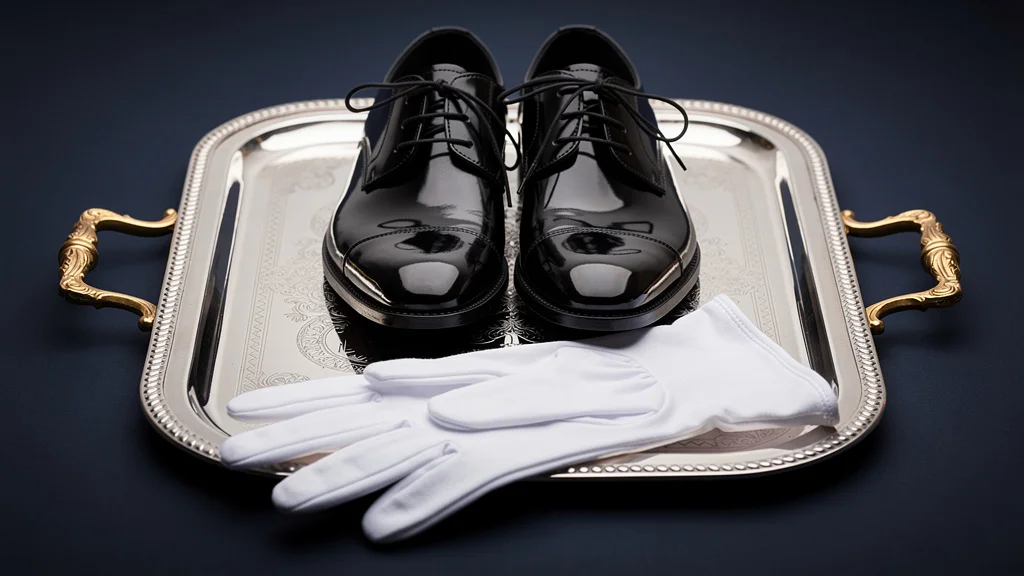
Service uniforms emphasize the submissive serving role. Classic maid uniforms, butler attire, or domestic servant clothing reinforce service orientation. These often include functional elements—aprons with pockets, comfortable footwear for standing—alongside aesthetic ones. Some dynamics require specific uniform standards regarding fit, cleanliness, and accessories.
Authority uniforms support dominant presentation. Military-style clothing, executive business attire, or professional uniforms (doctor, officer, instructor) convey command presence. These often emphasize precision—pressed lines, polished accessories, perfect fit—reflecting the control the dominant embodies.
Fetish-specific uniforms blend role signaling with material fetishes. Latex nurse outfits, leather military gear, or PVC schoolgirl uniforms combine uniform associations with material-based arousal. These crossover pieces serve multiple fetish elements simultaneously.
Symbolic or minimal uniforms use specific items rather than complete outfits. Perhaps the submissive wears a particular collar, the dominant always dons specific boots, or certain colors signal dynamic activation. These understated markers work in vanilla-adjacent settings where full uniforms would be impractical.
Equipment and Tools
Uniform components range from costume-quality pieces to authentic or high-quality reproductions. The appropriate level depends on dynamic needs, budget, and frequency of use. Many practitioners start with basic pieces and upgrade as uniforms prove integral to their practice.
Accessories complete uniforms and often carry particular significance. Collar styles, apron types, headwear, footwear, and jewelry all contribute to the total presentation. Some dynamics specify exact accessory requirements with no substitutions permitted.
Maintenance tools and storage ensure uniforms remain presentable. Pressing, polishing, proper hanging, and cleaning supplies allow consistent presentation. Uniforms intended to convey discipline or service should themselves be maintained with discipline and care.
Safety Considerations
Uniform wearing generally presents minimal physical safety concerns but involves important psychological and practical considerations.
Physical Safety
Fit and comfort matter for uniforms worn during activity or for extended periods. Restrictive clothing that limits movement, circulation, or breathing requires the same attention as bondage. Heels or constrictive footwear included in uniform requirements should be appropriate for anticipated activity levels.
Material considerations apply to specialty uniforms. Latex and leather require specific body preparation, temperature awareness, and duration limits. Synthetic materials may cause overheating during physical activity. Match uniform materials to intended use contexts.
Cleaning and hygiene prevent issues with frequently worn items. Intimate garments and items worn against skin require regular cleaning. Shared uniform pieces between partners should be sanitized appropriately between wearers.
Emotional Safety
Uniforms with loaded associations may trigger unexpected responses. Military uniforms might affect those with service backgrounds; authority uniforms could trigger those with institutional trauma. Discuss potential associations before introducing particular uniform types.
Public visibility considerations affect comfort with uniforms. Some uniforms pass as ordinary clothing while others clearly signal BDSM involvement. Consider where uniforms might be seen and whether that visibility aligns with both partners comfort levels regarding outing.
Uniform requirements as control mechanism should remain consensual. If uniform wearing becomes burdensome, degrading in unwanted ways, or used as punishment without agreement, renegotiation is appropriate. Uniforms should enhance the dynamic rather than create resentment.
Red Flags
Warning signs include using uniforms to demean without consent, requiring expensive or uncomfortable uniforms without consideration for the wearer, or extending uniform requirements beyond negotiated contexts. Uniforms are tools for consensual dynamic expression, not weapons for control.
Beginner Guide to Uniform Wearing
Introducing uniforms begins with identifying what roles or aesthetics appeal to your dynamic. Consider what type of relationship you are building—service-focused, military-style discipline, institutional roleplay, or something else entirely. The appropriate uniform flows from the dynamic rather than imposing arbitrary costume.
Start simple and expand. A single symbolic item—a collar, apron, or specific accessory—can establish uniform practice without significant investment. As you determine what works, build toward more complete uniforms if desired.
Prioritize quality and fit for frequently worn items. A well-fitting basic uniform creates better effect than an ill-fitting elaborate one. Pieces that will see regular use merit investment in comfort and durability.
Establish clear expectations around uniforms. When should they be worn? What standards apply regarding maintenance and presentation? Who is responsible for providing and caring for uniform pieces? Explicit agreements prevent confusion and resentment.
Integrate uniforms gradually into your dynamic. Perhaps require uniforms only during designated times initially, expanding as the practice becomes natural. This progression allows adjustment without overwhelming either partner.
Discussing Uniforms with Your Partner
Proposing uniform incorporation requires understanding your partner perspective on clothing-based dynamics. Some people instinctively respond to uniform psychology while others find it arbitrary or uncomfortable. Gauging receptivity before detailed discussion helps approach the conversation appropriately.
Explain what uniforms would add to your dynamic. Are you seeking visual reinforcement of roles? Ritual elements for entering dynamic space? Practical service clothing? Aesthetic pleasure? Clear articulation helps partners understand your vision.
If proposing that your partner wear uniforms, address practical concerns—cost, storage, maintenance, comfort, and public visibility. Offering to provide uniforms, assist with their care, or accommodate concerns demonstrates consideration.
If requesting to wear uniforms yourself, explain what you hope the experience provides. Some partners initially feel uncertain about requesting uniform wearing from their lovers. Helping them understand your desire supports their comfort with the practice.
Negotiate specifics together. Collaborative selection of specific items, styles, and requirements creates shared investment. One partner dictating all uniform choices may work within established dynamics, but initial development benefits from mutual input.
Frequently Asked Questions
How much should I spend on BDSM uniforms?
Investment varies based on use frequency, quality expectations, and budget. Start modestly—even basic pieces can be effective. Upgrade as you identify which elements prove most valuable to your practice. Expensive uniforms that rarely get worn serve no one well.
Can uniforms be required 24/7?
Within negotiated dynamics, yes. Some relationships require specific attire whenever the submissive is home, or particular items worn at all times. Consider practicality—underwear specifications or subtle accessories work for constant wear, while elaborate uniforms suit specific occasions.
What if I feel silly in a uniform?
Initial self-consciousness is common and often fades with practice. Ensure the uniform genuinely fits your dynamic rather than imitating others. If discomfort persists, explore whether different styles work better or whether uniforms simply are not your preferred dynamic tool.
Where can I find BDSM-appropriate uniforms?
Options range from specialty BDSM retailers to costume shops, vintage stores, actual uniform suppliers, and custom makers. Online retailers offer extensive variety. Some practitioners combine mainstream pieces with specialty accessories for practical, affordable results.
Do both partners need uniforms?
Not necessarily. Many dynamics uniform only the submissive while the dominant wears whatever they choose. Others uniform both partners in complementary or matching ways. Some reverse this, with only the dominant in specific attire. Structure follows your unique dynamic needs.
🛒 Recommended Gear
Note: Links below are affiliate links. We may earn a commission at no extra cost to you.
Discover What You Both Desire
Create your personal checklist and compare with your partner to find activities you'll both enjoy exploring together.
Get Started FreeNo credit card required