Video (recordings of you)
Being filmed during intimate or erotic acts. Short Explanation: "Receiving" means you are recorded during intimate moments; "Giving" means you film your partner.
Give vs Receive
| Role | What it means for Video (recordings of you) activity |
|---|---|
| Receiving | you are recorded during intimate moments |
| Giving | you film your partner |
Read the full Yes/No/Maybe list guide or browse all activities.
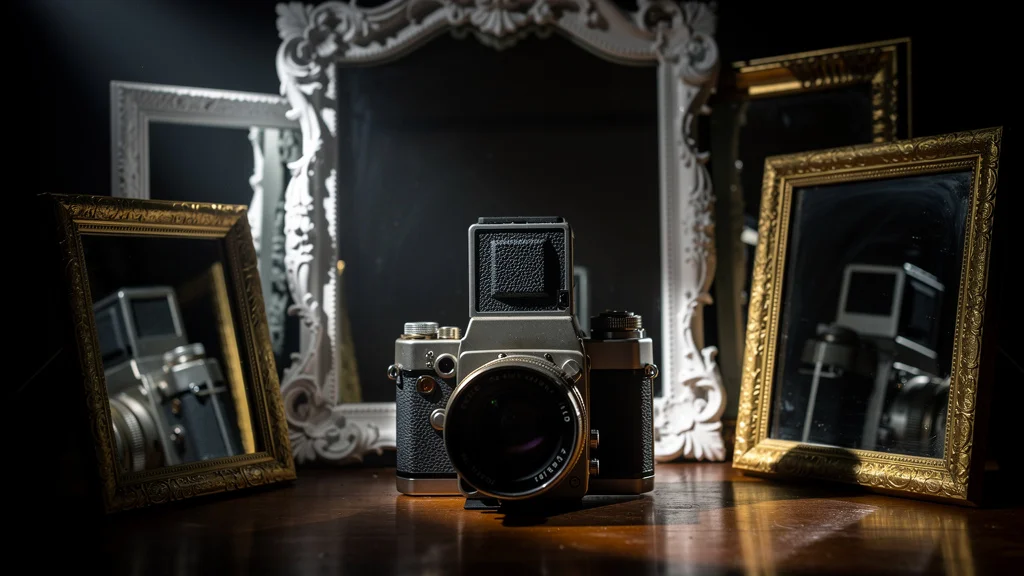
Interested in exploring Video (recordings of you) with your partner?
Start Your ChecklistRecording intimate videos—whether for personal archives, partner sharing, or playback during other activities—adds a powerful visual dimension to couples erotic experiences. Seeing yourself through the lens can transform self-perception, deepen connection with your partner, and create lasting records of intimate moments to revisit later.
The experience of being recorded taps into exhibitionistic elements while maintaining complete privacy control. For many couples, the camera presence heightens arousal, encourages performative aspects of intimacy, and creates anticipation for future viewing. The resulting videos serve multiple purposes: rekindling desire, maintaining connection during separations, or simply celebrating your shared sexuality.
This guide covers the considerations unique to creating intimate recordings: from technical setup and consent frameworks to storage security and creative approaches that make your videos genuinely exciting to create and watch.
How Video Recording Works in Intimate Contexts
Creating intimate recordings involves both technical and interpersonal elements. The technical side—camera positioning, lighting, audio capture—affects the quality and appeal of the resulting video. The interpersonal side—consent, comfort levels, creative direction—determines whether the experience enhances or detracts from intimacy.
For many couples, the camera becomes a participant in the dynamic. Its presence changes behavior, sometimes increasing performance anxiety but often heightening arousal and encouraging experimentation. Learning to work with the camera rather than ignoring it typically produces the most satisfying results.
Techniques and Variations
Documentary style captures natural intimacy with minimal direction, letting events unfold organically.
Directed scenes involve planned scenarios, positions, and progressions for more polished results.
POV recording uses handheld or body-mounted cameras for immersive first-person perspective.
Fixed camera positions allow complete focus on the activity without handling equipment.
Multiple angles using several cameras capture comprehensive footage for later editing.
Solo recordings for partners create intimate gifts for long-distance situations or personal exchange.
Equipment and Tools
Smartphone cameras offer convenience and surprisingly good quality, especially in well-lit conditions.
Dedicated cameras provide better low-light performance, more control, and superior audio.
Tripods and mounts enable stable, hands-free recording from optimal positions.
Lighting—even simple lamp positioning dramatically improves video quality.
External microphones capture clearer audio than built-in camera mics.
Secure storage solutions protect your private content from unauthorized access.
Safety Considerations
Intimate recordings carry significant privacy and consent considerations that require careful attention.
Physical Safety
Equipment should be positioned safely—tripods can be tripping hazards, and hot lights require careful placement.
Do not let technical concerns distract from physical safety during intimate activities.
Emotional Safety
Explicit consent is mandatory. All participants must actively agree to being recorded—every time, for every session.
Discuss intended use. Who will see the recording? Will it be kept indefinitely? Under what circumstances might it be deleted?
Establish deletion rights. Either partner should be able to request deletion at any time, for any reason.
Address relationship change scenarios. What happens to recordings if the relationship ends? Discuss this before creating content.
Review before finalizing. Watch footage together and agree on what to keep, edit, or delete.
Red Flags
Coerced consent—if either party feels pressured, do not proceed.
Secret recording without full knowledge and consent is illegal in most jurisdictions and always unethical.
Threats involving recordings constitute abuse regardless of relationship status.
Sharing without explicit permission violates trust and often law.
Inadequate security that risks exposure to others.
Beginner Guide to Intimate Recording
Start simple. A smartphone on a nightstand is sufficient for first attempts.
Prioritize lighting. Natural daylight or strategically placed lamps dramatically improve results.
Discuss beforehand. Agree on what you want to capture and any activities that should not be recorded.
Start with short recordings. A few minutes allows learning without overwhelming storage or editing needs.
Watch together afterward. Immediate review helps identify what works and addresses any concerns.
Secure immediately. Transfer to encrypted storage and delete from camera rolls promptly.
Discussing Video Recording with Your Partner
Explain your interest clearly. Share why recording appeals to you and what you hope to gain from it.
Emphasize privacy commitment. Detail exactly how recordings will be stored and protected.
Negotiate boundaries. Discuss what activities, angles, or content are acceptable to record.
Offer creative input equality. Both partners should shape what and how you record.
Establish ongoing consent. Make clear that permission can be revoked at any point.
Plan for the future. Discuss what happens to recordings if circumstances change.
Frequently Asked Questions
How do I keep intimate recordings secure?
Use encrypted storage solutions—many phones offer secure folders. For computer storage, encrypted containers or drives prevent unauthorized access. Avoid cloud storage unless specifically encrypted. Use strong, unique passwords and consider two-factor authentication.
Is recording legal?
Recording consenting adults in private is generally legal, but laws vary by jurisdiction. Sharing recordings without consent is illegal in many places under "revenge porn" laws. Recording without knowledge and consent is typically illegal. Research your local laws.
What if I feel uncomfortable watching myself?
Many people feel initial discomfort seeing themselves on video. This often decreases with experience. Focus on enjoyable aspects rather than self-criticism. Remember, you are creating these for your own pleasure—no external judgment applies.
How do we handle recordings if we break up?
Ideally, discuss this before creating recordings. Common approaches include mutual deletion, keeping only recordings of oneself, or agreed joint custody with privacy commitments. Some couples include recording agreements in relationship contracts.
🛒 Recommended Gear
Note: Links below are affiliate links. We may earn a commission at no extra cost to you.
Discover What You Both Desire
Create your personal checklist and compare with your partner to find activities you'll both enjoy exploring together.
Get Started FreeNo credit card required