Bondage With Soft Restraints
Gentle bondage using soft materials like silk scarves or padded cuffs.
Read the full Yes/No/Maybe list guide or browse all activities.
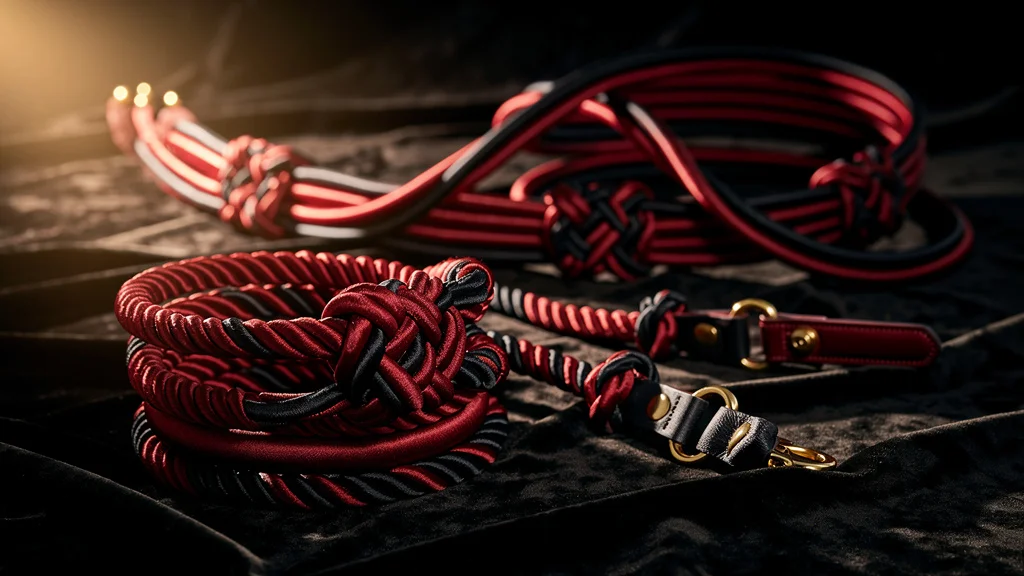
Interested in exploring Bondage With Soft Restraints with your partner?
Start Your ChecklistBondage with soft restraints offers a gentle introduction to restraint play, using comfortable materials like silk scarves, padded cuffs, and soft fabric to create the experience of bondage without the intensity of rope or metal. This approach is perfect for beginners and those who prefer sensation-focused rather than restrictive experiences.
This guide covers everything you need to know about soft restraints—from material choices to application techniques. You'll learn how to create effective yet comfortable restraints using everyday items and purpose-made gear, ensuring positive first experiences and pleasurable ongoing practice.
Soft restraints demonstrate that bondage doesn't require significant investment or advanced skills to enjoy. A silk scarf can create a powerful experience of surrender without the learning curve of rope work or the cold intensity of metal. The accessibility of soft restraints makes them an excellent starting point for couples curious about power exchange and restriction.
How Bondage With Soft Restraints Works
Soft restraints work by providing comfortable restriction that emphasizes the psychological experience of bondage over physical immobility. The materials distribute pressure broadly, reducing the risk of marks or circulation issues while still creating feelings of vulnerability and surrender.
Techniques and Variations
Scarf Bondage: Silk or satin scarves make beautiful, comfortable restraints. They can be tied with simple knots around wrists or ankles and connected to bed frames or furniture.
Padded Cuffs: Purpose-made cuffs with soft padding (fleece, fur, or foam) provide secure restraint with maximum comfort. Usually feature Velcro or buckle closures for quick release.
Fabric Ties: Strips of soft cotton, jersey material, or neckties create gentle restriction. The width distributes pressure comfortably.
Bondage Tape: Self-adhesive tape that only sticks to itself (not skin) wraps around limbs for comfortable restraint. Easy to remove and reusable.
Sleep Masks and Silk Blindfolds: Soft visual restriction complements other soft restraints perfectly, adding sensory deprivation without harsh materials.
Equipment and Tools
Silk Scarves: Long scarves (about 5-6 feet) work best. Real silk feels luxurious; satin polyester is an affordable alternative. Have multiple scarves for different attachment points.
Commercial Soft Cuffs: Purpose-made restraint cuffs with padding come in various styles. Look for wide bands (2+ inches) and quick-release mechanisms.
Under-Bed Systems: Nylon straps with padded cuffs that slide under the mattress provide secure anchor points. No installation required.
Pillow Supports: Soft restraints work best with proper positioning support. Pillows under knees, hips, or head maintain comfort during longer scenes.
Scissors: Keep a pair nearby for quick release, though soft restraints are usually easy to untie by hand.
Safety Considerations
While softer than other restraint options, soft bondage still requires attention to safety. The comfort of soft materials can mask developing problems, so monitoring remains essential.
Physical Safety
Circulation: Even soft restraints can restrict blood flow if too tight. Check circulation regularly—look for color changes in extremities and ask about numbness or tingling.
Positioning: Comfortable positions are sustainable positions. Use pillows to support joints and avoid awkward angles that cause strain over time.
Material Safety: Ensure materials are skin-safe. Wash new scarves before use to remove dyes or chemicals. Check for allergies to materials like latex (in some elastic restraints).
Secure Knots: Use knots that won't tighten under pressure. Simple bows or square knots work well. Avoid slip knots that could constrict.
Time Awareness: The comfort of soft restraints makes time fly. Set a timer to remind yourself to check in and adjust position.
Emotional Safety
Being restrained—even gently—creates vulnerability. Establish a clear safeword before beginning. "Red" for stop and "Yellow" for check-in are common choices. Even soft, escapable restraints should be released immediately upon safeword use.
Stay connected throughout. Regular verbal check-ins ("How are you feeling?") help catch problems early. Watch for signs of distress that might not trigger safeword use.
Red Flags
Stop immediately for: numbness or tingling, skin color changes, cramping, panic, breathing difficulty, distress of any kind, or safeword use. The gentle nature of soft restraints doesn't eliminate the need for prompt response to problems.
Beginner's Guide
Soft restraints are ideal for first experiences with bondage. Here's how to begin:
Start with What You Have: A silk scarf, bathrobe tie, or soft necktie can serve as your first restraint. No need to purchase specialized equipment initially.
Practice Tying: Before restraining your partner, practice your knots on a bedpost or your own wrist. Understand how to tie securely but not too tight, and how to release quickly.
Begin with One Point: Restrain just wrists together first, rather than multiple points. This allows both partners to become comfortable with the dynamic before adding complexity.
Maintain Escape Ability: For first experiences, leave restraints loose enough that the restrained person could escape with effort. This safety net reduces anxiety.
Stay Close: Never leave a restrained person alone, even in loose soft restraints. Stay within arm's reach throughout.
Keep Sessions Short: First sessions should be 15-20 minutes maximum. Better to end wanting more than to overstay comfort.
Debrief Afterwards: Discuss what felt good and what didn't. This feedback improves future experiences.
Discussing with Your Partner
Even gentle bondage benefits from clear advance communication:
Interest and Motivation: Share what appeals to each of you about soft restraints. Understanding desires helps create fulfilling experiences.
Comfort and Limits: Discuss physical comfort needs (padding, positioning) and what is and isn't on the table during restraint scenes.
Materials: Some people have preferences about materials—silk feels different than cotton, cuffs feel different than scarves. Discuss what appeals.
Positions: Talk about comfortable positions for both partners. Being restrained on your back feels different than facedown. The restraining partner also needs comfortable access.
Safety Setup: Agree on safewords, check-in frequency, and how the scene will end. Knowing the plan helps everyone relax into the experience.
Frequently Asked Questions
What household items can be used for soft bondage?
Silk scarves, neckties, bathrobe belts, soft t-shirt strips, and bandanas all work well. Avoid anything that might tighten under pressure or leave rough edges that could irritate skin.
Are soft restraints secure enough to be effective?
Yes! Bondage effectiveness isn't just about physical restriction—it's about the psychological experience. Even easily escapable soft restraints create powerful feelings of surrender and vulnerability.
How do I prevent soft restraints from coming undone?
Use square knots instead of bows for more security. Wider material stays in place better than narrow strips. Purpose-made restraints with buckles or Velcro provide more reliable closure than tied fabric.
Can soft restraints cause injury?
While safer than harder materials, soft restraints can still cause circulation issues or skin irritation if applied incorrectly. Monitor regularly and adjust as needed. Never tie anything around the neck.
What's the best soft restraint for beginners?
A simple under-bed restraint system with padded cuffs offers the best combination of security, comfort, and ease of use for beginners. They're quick to apply, adjustable, and have reliable quick-release mechanisms.
🛒 Recommended Gear
Note: Links below are affiliate links. We may earn a commission at no extra cost to you.
Discover What You Both Desire
Create your personal checklist and compare with your partner to find activities you'll both enjoy exploring together.
Get Started FreeNo credit card required