Chains
Metal restraints used for weight, restriction, and sound effects. Short Explanation: "Receiving" means you are restrained with chains, while "Giving" means you use chains to restrain your partner.
Read the full Yes/No/Maybe list guide or browse all activities.
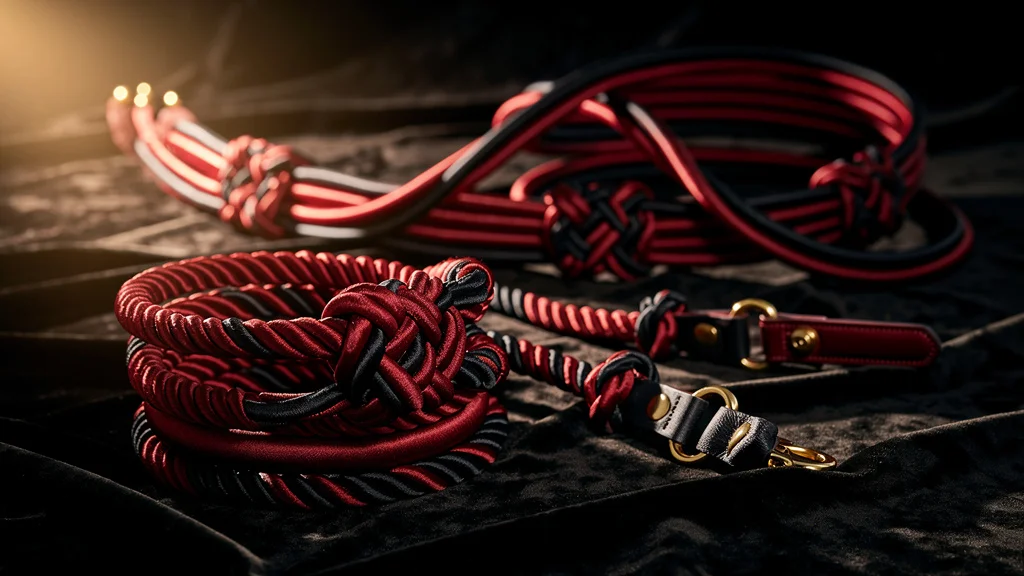
Interested in exploring Chains with your partner?
Start Your ChecklistChains represent one of the most iconic elements of bondage play, combining practical restraint with powerful psychological symbolism.
Unlike softer materials, chains provide an unyielding, cold sensation that creates a distinct physical and psychological dynamic.
How Chains Work
Chain bondage operates on the principle of metal links creating secure, adjustable restraints that limit movement without the complexity of knot-tying.
Techniques and Variations
Basic wrist or ankle restraint, body chain harnesses, suspension elements, and temperature play are common applications.
Equipment and Tools
Polished stainless steel chains, padded cuffs, and quick-release mechanisms are essential.
Safety Considerations
Physical Safety
Circulation monitoring, nerve damage prevention, joint stress awareness, and emergency release capability are critical.
Emotional Safety
Psychological intensity, subdrop, aftercare, and ongoing consent must be addressed.
Red Flags
Stop immediately for numbness, color changes, inability to move digits, sharp pain, breathing difficulties, or panic.
Beginner's Guide
Start with pre-made restraint sets, practice with yourself first, choose comfortable positions, and build intensity gradually.
Discussing with Your Partner
Frame it as exploration, share educational resources, establish boundaries explicitly, and plan your first session together.
Frequently Asked Questions
How is chain bondage different from rope bondage?
Chains don't tighten under tension, provide more weight and sensory feedback, and require less skill to use safely.
What type of chain is safest for bondage?
Stainless steel chains with welded links in the 8-10mm diameter range offer the best combination of strength and safety.
How long can someone safely stay in chain restraints?
Beginners should limit sessions to 15-20 minutes, with active monitoring every 5-10 minutes.
What should I do if my partner panics during restraint?
Release them immediately using quick-release mechanisms or emergency scissors. Don't try to calm them while still restrained.
🛒 Recommended Gear
Note: Links below are affiliate links. We may earn a commission at no extra cost to you.
Discover What You Both Desire
Create your personal checklist and compare with your partner to find activities you'll both enjoy exploring together.
Get Started FreeNo credit card required