Duration
The length of time bondage is maintained, which affects endurance and psychological impact. Short Explanation: "Receiving" means you undergo a set duration of restraint, while "Giving" means you control the length of the bondage session.
Read the full Yes/No/Maybe list guide or browse all activities.
Interested in exploring Duration with your partner?
Start Your ChecklistExtended bondage, also known as duration bondage or long-term restraint, represents an advanced form of intimate exploration that emphasizes endurance, trust, and sustained surrender over hours rather than minutes. Unlike brief restraint scenarios, extended bondage requires meticulous planning, comprehensive safety protocols, and deep communication between partners to create experiences that are both physically sustainable and emotionally rewarding.
This practice involves restraining a partner for periods ranging from one to several hours, transforming bondage from a momentary thrill into a profound journey of sensation, headspace, and connection. The extended timeframe introduces unique physical and psychological dynamics - from the meditative quality of sustained restraint to the deep vulnerability and trust required to remain bound for extended periods.
This comprehensive guide will walk you through everything essential for safe extended bondage exploration, including proper positioning techniques that prevent injury during long durations, equipment selection that balances security with comfort, circulation monitoring protocols, psychological preparation for both partners, emergency procedures, and the critical communication frameworks that make extended scenes safe and fulfilling.
How Duration (Extended Bondage) Works
Extended bondage functions on both physical and psychological levels, creating experiences that differ fundamentally from brief restraint. Physically, the body must remain in positions that can be sustained comfortably for hours without compromising circulation, joint health, or muscle fatigue.
Techniques and Variations
Horizontal bondage positions are often most sustainable for extended durations. Seated bondage in a sturdy chair provides another sustainable option. Standing bondage for extended periods requires significant physical conditioning. Progressive bondage begins with minimal restraint and gradually adds layers over the duration of the scene.
Equipment and Tools
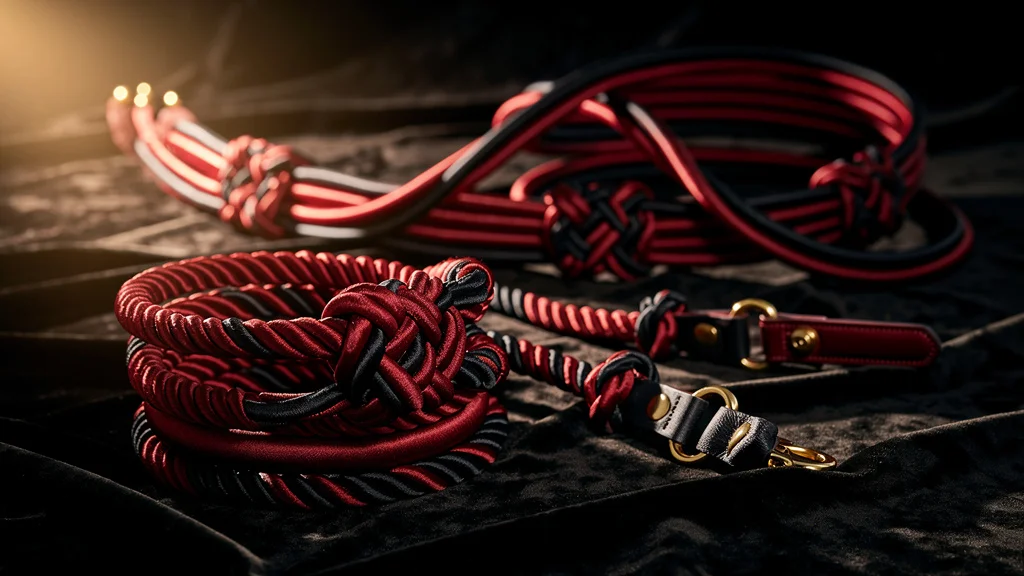
Rope selection for extended bondage prioritizes comfort and sustainability over aesthetic appeal alone. Padded cuffs designed for extended wear feature wider bands that distribute pressure. Bondage furniture like specialized beds, benches, frames, or chairs provide ergonomic support. Padding materials are non-negotiable for extended bondage. Monitoring equipment should include a reliable timer and safety scissors.
Safety Considerations
Physical Safety
Circulation monitoring is absolutely critical. Check extremities regularly for color changes, temperature changes, numbness or tingling, swelling, or inability to move fingers and toes. Nerve compression presents serious risks, particularly at vulnerable points like wrists, upper arms, behind knees, and ankles. Positional considerations must account for how body weight distributes over time. Hydration and bathroom needs require planning for scenes lasting more than an hour. Temperature regulation matters more during extended bondage than brief scenes.
Emotional Safety
Psychological preparation is as important as physical preparation. Continuous presence is non-negotiable—the restraining partner must remain present and attentive throughout the entire duration. Check-ins should occur at regular intervals. Aftercare following extended bondage requires extra time and attention.
Red Flags
Stop immediately and release restraints if the bound partner experiences severe pain, numbness or tingling that doesn't resolve, inability to move fingers or toes, significant color change in extremities, chest pain or breathing difficulty, panic attacks or severe anxiety, disorientation or confusion, or uses established safewords.
Beginner's Guide
Building toward extended bondage should be gradual, never rushed. Your first extended bondage experience should be modest in scope - aim for 45 minutes to one hour maximum. Choose your first extended session timing carefully—select a day when neither partner is tired, stressed, or time-pressured. Prepare the environment thoughtfully. Start your first extended bondage session with a thorough discussion. Document your experience afterward. Progress slowly with subsequent experiences.
Discussing with Your Partner
Introduce extended bondage during a relaxed, non-intimate conversation when both partners have emotional bandwidth for substantive discussion. Share educational resources together. Discuss motivations and interests openly. Address concerns and hesitations with curiosity rather than defensiveness. Establish clear agreements before any practical exploration. Plan your first experience together collaboratively. Revisit the conversation after your first experience and periodically as you continue exploring.
Frequently Asked Questions
How long is considered "extended" bondage?
Extended bondage typically refers to restraint lasting one hour or longer. For beginners, starting with 45-60 minutes provides meaningful extended experience while maintaining manageable safety oversight.
What positions are safest for extended bondage?
The safest positions allow natural body alignment, distribute weight evenly, avoid nerve compression points, and permit breathing without restriction. Horizontal positions like lying on a bed generally work best for truly extended durations.
How often should I check circulation during extended bondage?
Check circulation at minimum every 15-20 minutes during extended bondage, with more frequent checks for positions involving limb restraint or for beginners.
Can you leave someone alone in extended bondage?
No, never leave someone alone in bondage for any duration, and especially not during extended scenes. The restraining partner must remain present, attentive, and capable of immediate response throughout the entire bondage duration.
What if my partner panics during extended bondage?
If your partner experiences panic during extended bondage, respond immediately with calm reassurance and offer release from restraints. Remove restraints systematically as quickly as safety permits—cut if necessary. Provide physical comfort and help them regulate breathing.
How do I build endurance for longer bondage sessions?
Build endurance gradually through incremental duration increases, physical conditioning, and mental preparation. Start with comfortable durations you can maintain easily, then add only 15-30 minutes per session.
🛒 Recommended Gear
Note: Links below are affiliate links. We may earn a commission at no extra cost to you.
Discover What You Both Desire
Create your personal checklist and compare with your partner to find activities you'll both enjoy exploring together.
Get Started FreeNo credit card required